WPP’s Rose Herceg and AKQA’s Tim Devine on AI, trust and judgement at Navigating Next
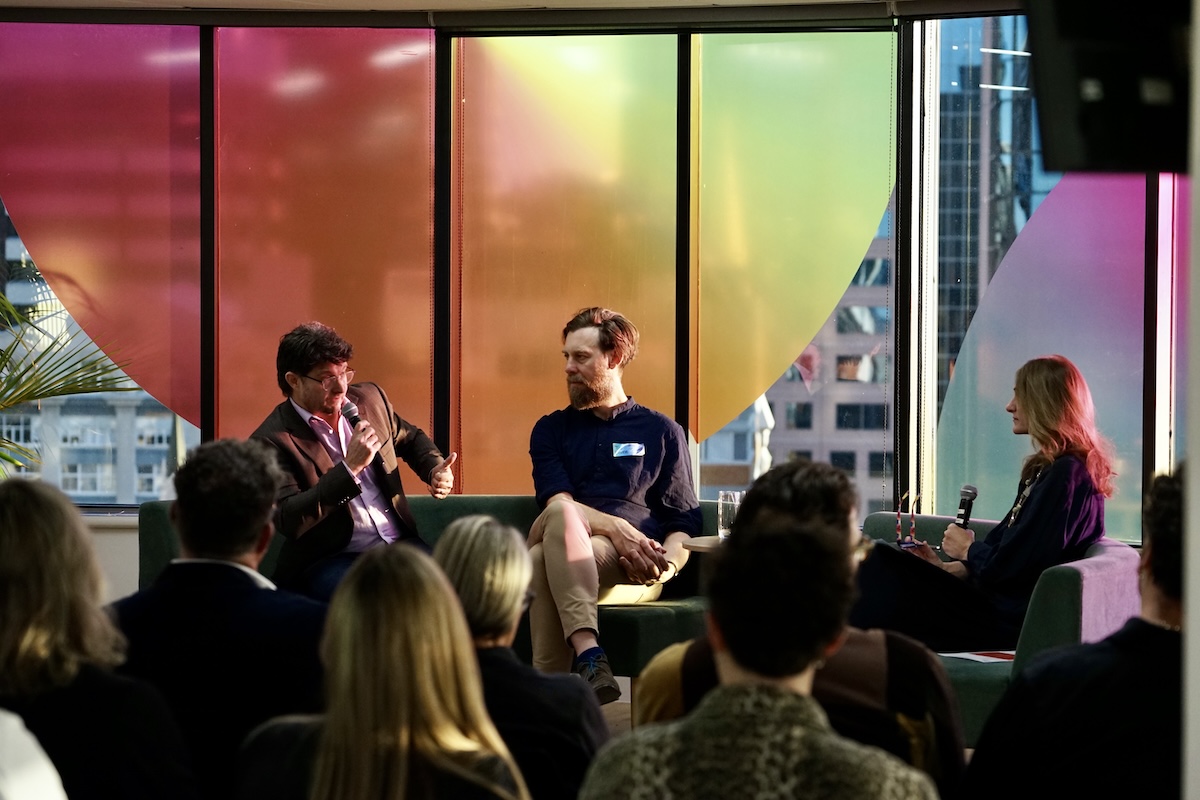
At WPP Media’s Auckland campus, on Fanshawe Street, business and marketing leaders gathered for Navigating Next, a sharp, candid examination of New Zealand’s economic landscape, emerging agentic AI, and shifting consumer behaviour.
Rather than peddling optimistic tech-utopianism or doom-and-gloom recession talk, the panel cut straight into the friction points facing brand builders: how to command premium margins in an economy addicted to discounting, why consumers are shifting from searching to delegating, and why human judgment and “uncommon partnerships” are the only durable hedges against algorithmic commodification. Panellists were Rose Herceg, CEO, WPP ANZ; Tim Devine, global chief invention officer, AKQA; and Liam Dann, business editor at large, NZ Herald.
Key themes included:
1. The death of novelty – moving from ‘search’ to ‘delegation’
The conversation kicked off with hard consumer realities: over 60% of Kiwis are already using AI tools to assist in purchases, while purchase decision windows for high-ticket items have stretched from 3 months to 6-9 months**.
Addressing a challenge submitted by the audience, around avoiding a fate similar to that of Kodak or Blockbuster, Devine pointed to a fundamental behavioural pivot.
Says Tim Devine, Global Chief Invention Officer, AKQA: “The shift to watch is consumers moving from searching to delegating, where an AI agent does the looking and the shortlisting for them. That means your business needs to be represented accurately and honestly wherever those agents get their information. In that world, trust comes from the integrity of your data.”
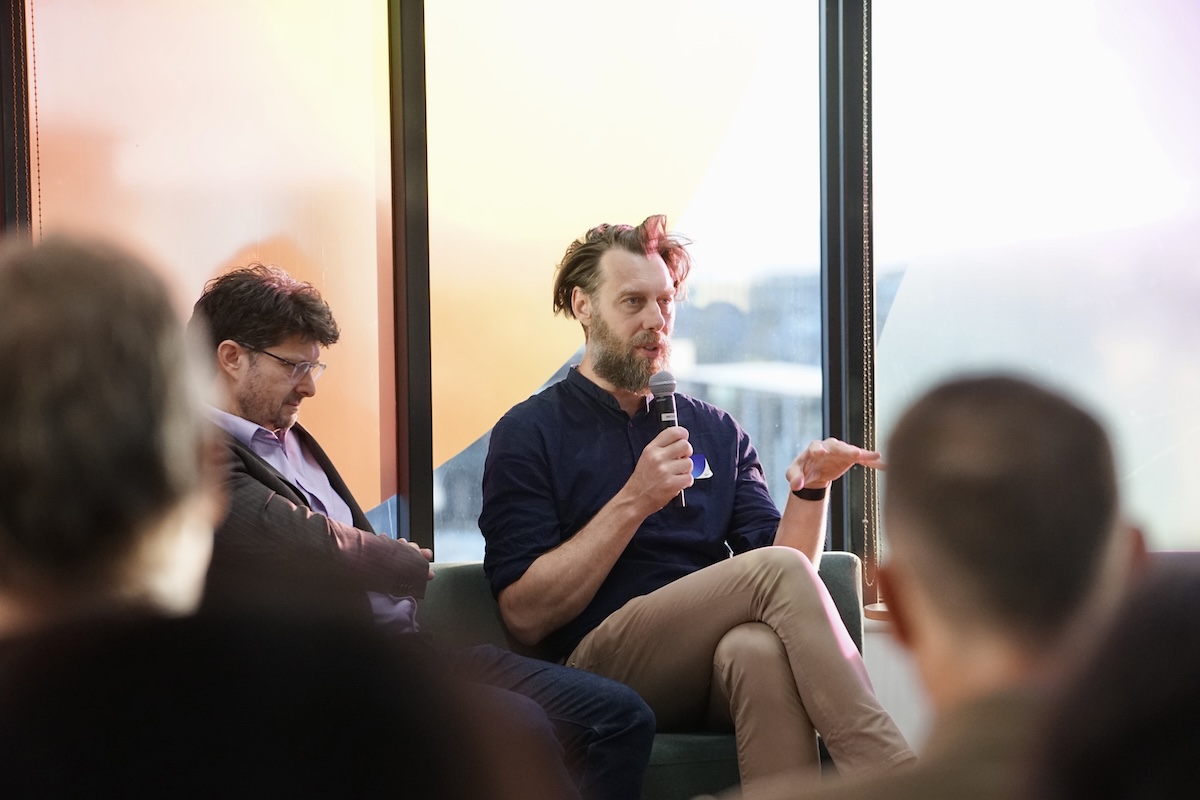
Devine also drew a clear line between ephemeral campaign stunts and long-term tech deployment: “It’s the novelty versus utility dichotomy. We’ve watched AR, VR, and the metaverse recede. Stunts are interesting bursts, but they don’t sustain. Nobody is hanging out in the metaverse, and nobody is going to the NFT store anymore. We have to build utility that keeps people coming back, and cultural relevance that gives them a reason to.”
2. The threat of ‘bot s***’ and the rise of ‘prompted by’
As corporate workflows flood with automated collateral, the panel warned that uncurated AI output carries immediate brand-devaluation risks.
Says Devine: “There will be a cultural shift where people realise it’s not okay to send someone work you haven’t scrutinised and can’t stand behind, hand on heart. Explore with AI all you like, but don’t deliver anything unless you fully understand it and can argue for it. Otherwise, where’s the joy?”
Reflecting on the recent European literary competition won by an AI-assisted manuscript, Dann delivered the quote that resonated across the room.
Says Liam Dann, Business Editor at Large, NZ Herald: “These were literary judges who said it was the best novel – so maybe he prompted the best novel? At some point we may see a cultural shift where credit reads ‘Prompted by.’ But whatever you’re doing, you cannot deceive anyone. No one likes being deceived. If your work used AI, be transparent. Trust is fragile.”
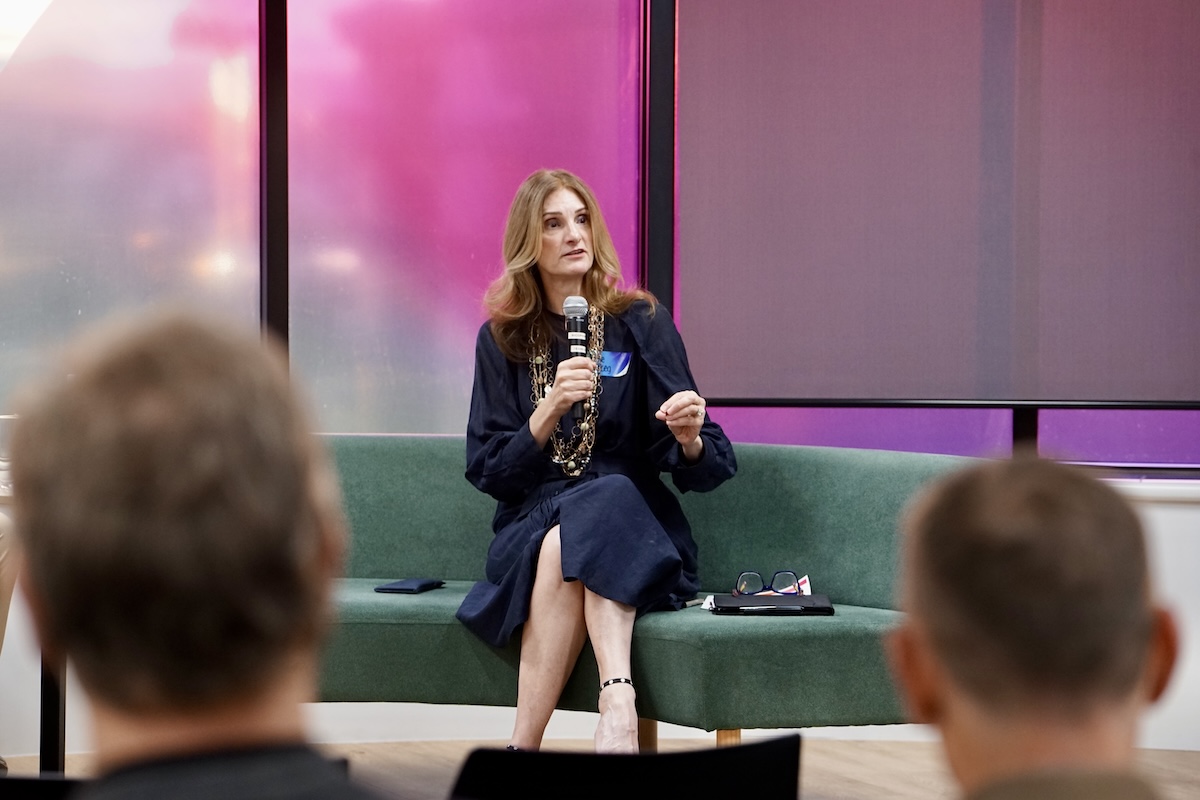
Herceg reinforced the non-negotiable for high-performing agencies and marketing teams: “In my view taste, judgment, deductive reasoning, and critical thinking are human skills, honed over years of experience. Base camp can (and should) be powered by AI. If you’re seeking nuance and originality, human skill and intervention is required to layer on top of that base camp.”
3. Surviving a value-obsessed economy: emotion over discounting
With domestic property values recalibrating and consumers hunting value with ruthless discipline, panellists tackled how premium brands avoid the race to the bottom.
Says Dann: “Chasing the value proposition downhill is a spiral with very few winners. Most consumers have areas where they will protect premium spend, but only where they have an authentic emotional and personal connection. If you commodify your message or trade purely on headline speed, you lose your reason to exist.”
Herceg tied brand trust to operational execution over glossy messaging: “The best way to build trust in a digitised world is brutally simple: ensure your product does what you say it does. Do it well, do it repeatedly, and do it under pressure. No media budget can paper over broken service delivery.”
4. Community friction as a competitive moat
In response to another provocative question from the audience regarding the erosion of real-world community in an era of automated frictionless experiences, the panel argued that human friction is becoming a premium asset.
Says Devine: “Efficiency doesn’t create human connection. Communities form when people do things together, in the same place and at the same moment. As more of our lives are shaped by AI companions and automated relationships, the stronger the appetite will become for shared experiences in the real world.”
Dann noted a parallel sentiment within modern media culture: Sometimes you just have to close the laptop, walk outside, and bump into people. Randomness is where creativity comes from. Systematic processes like AI cannot replicate the accidental sparks that occur when humans collide in a room.”
5. Lateral growth: the case for ‘uncommon partnerships’
Wrapping up the night on growth strategies, Herceg urged leaders to look outside of traditional category playbooks, citing lateral brand activations like Bunnings’ integration with Bluey and the viral warehouse rave: “Look for uncommon partnerships – collaborations your board would never in a million years expect you to bring them. That is where lateral thinking can shake up brand, bring in new audiences and new revenue streams whilst building seriously fresh equity.”
Images: Peter Feng
VIEW THE PRINT MAGAZINE + PAST ISSUES ONLINE. SUBSCRIBE NOW.
Register for FREE HERE and receive the Campaign Brief Daily Bulletin and/or the global Best Ads Best of the Week Bulletin. Subscribe to Campaign Brief Magazine.
#More Creative News #No paywalls #No annual membership fees
Subscribe to Portfolio & Reel for current listings of Australian and NZ ad agency and production company leadership and key personnel