The New Wave ~ Art of the Possible ANZ
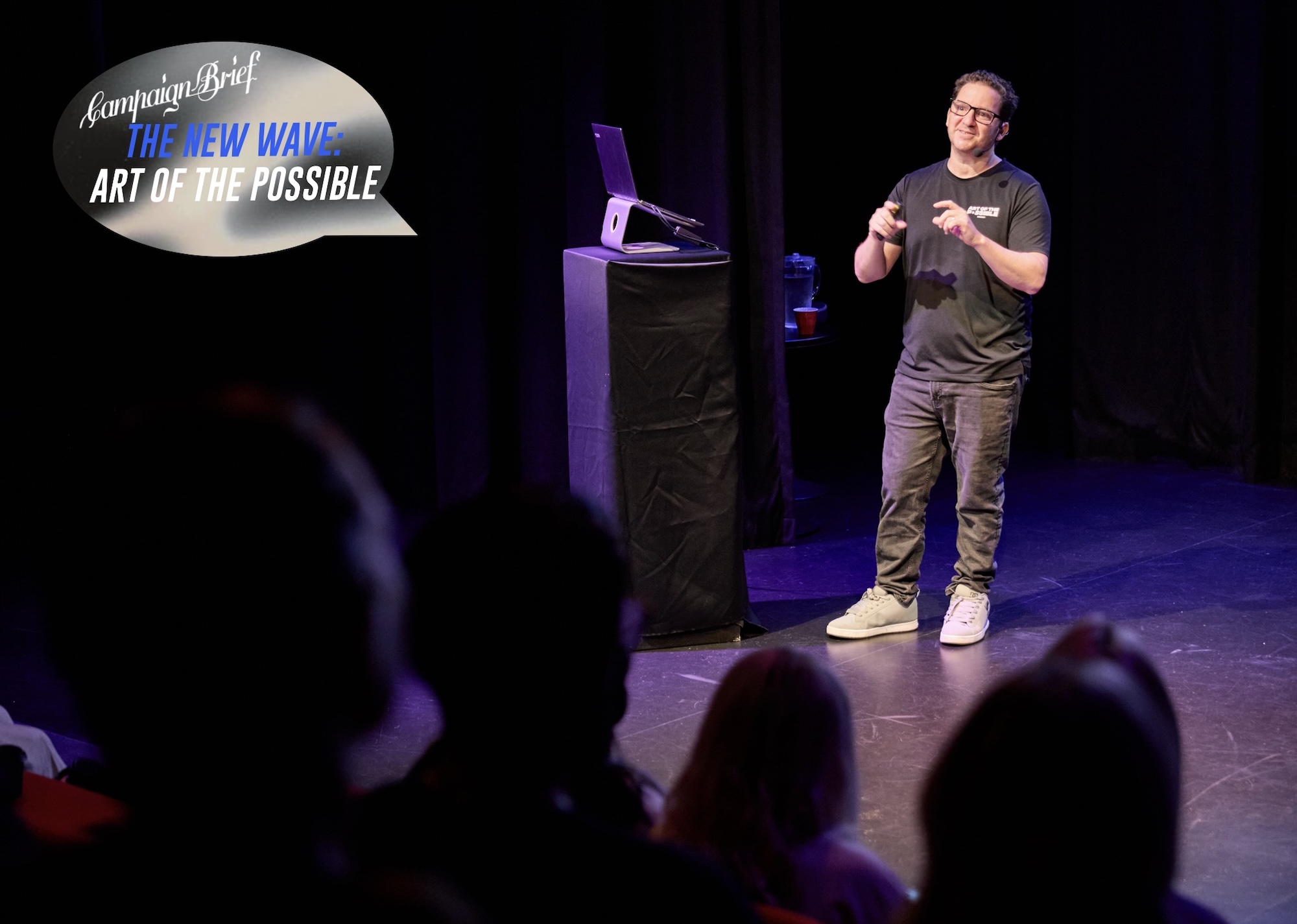
The New Wave is Campaign Brief’s Q&A series spotlighting the next generation of independent creative companies and exploring how the indie model is evolving. From structure and speed to culture and capability, we unpack where these businesses are finding their edge and what’s driving client decisions today. Next up is Adam Brami (pictured), Director, Art of the Possible, ANZ.
1. Give us the elevator pitch – who are you and what do you do?
Art of the Possible is a senior-led marketing and creative consultancy built for ambitious brands across New Zealand and Australia that want big-agency thinking without the big-agency price tag. We help businesses with growth ambition sharpen their positioning, build distinctive campaigns, unlock smarter go-to-market strategies and get chosen in competitive markets.
The model is deliberately flexible. Rather than asking clients to buy a fixed agency structure, we assemble the right senior specialists around the problem, whether that’s strategy, creative, media, research, PR, performance, content, brand, CX, go-to-market or fractional marketing leadership. So in simple terms, we’re about wise heads, not overheads.
But that is not just a line. It is a belief system. We are trying to build a model where client investment goes solely into the work, the thinking and the people who can actually move the needle, not into maintaining agency theatre. We’re not trying to be just another agency. We’re trying to disrupt a model that, in many ways, hasn’t meaningfully evolved for over a hundred years. This is an agency model for the times we’re in.
2. Are indies still challengers, or have they become the norm?
Indies have become normalised as a credible choice, but I still think they are challengers when you follow where the biggest pools of spend actually sit. Across Australia and New Zealand, the independent sector has never been stronger. Agencies like Special, Thinkerbell, Howatson+Company, Thompson Spencer and Motion Sickness have shown that independent businesses can win serious clients, do world-class work and attract brilliant talent.
But if you look at New Zealand’s biggest advertising spenders, the centre of gravity still largely sits elsewhere. Nielsen’s 2025 New Zealand ad-spend report listed the country’s top advertisers as Harvey Norman, Foodstuffs NZ, Woolworths, Spark NZ, Chemist Warehouse, McDonald’s, One NZ, IAG, KFC and The Warehouse, with the top 20 also including brands like ANZ, BNZ, Air New Zealand and 2degrees. Many of those brands are still aligned to network agencies, holding-company groups, consultancies or bespoke models backed by those ecosystems.
That is understandable. Particularly in New Zealand, there is still a sense of perceived safety in appointing a large, well-known agency with heritage, scale and a familiar name above the door. For a lot of marketers and procurement teams, that can feel like the lower-risk choice.
But I do think the ground is shifting. As more network groups merge, consolidate and become harder for clients to distinguish from one another, more marketers are starting to ask what they are really buying, where their money is really going, and whether scale always equals value.
So I don’t think indies are challengers in capability anymore. That argument is over. They are still challengers in market-share terms, but increasingly that is what makes them interesting. The best independent agencies are not trying to imitate the networks. They are offering something different: closer access to senior people, greater flexibility, fewer layers, more accountability and a model that feels more connected to the commercial realities clients are facing now.
In that sense, indies have become normalised as a serious choice, but they are still challengers in the best sense of the word. Not because they lack capability, but because they are challenging where the money goes, how the model works and what clients should expect from an agency relationship.
3. What’s your unfair advantage over the networks today?
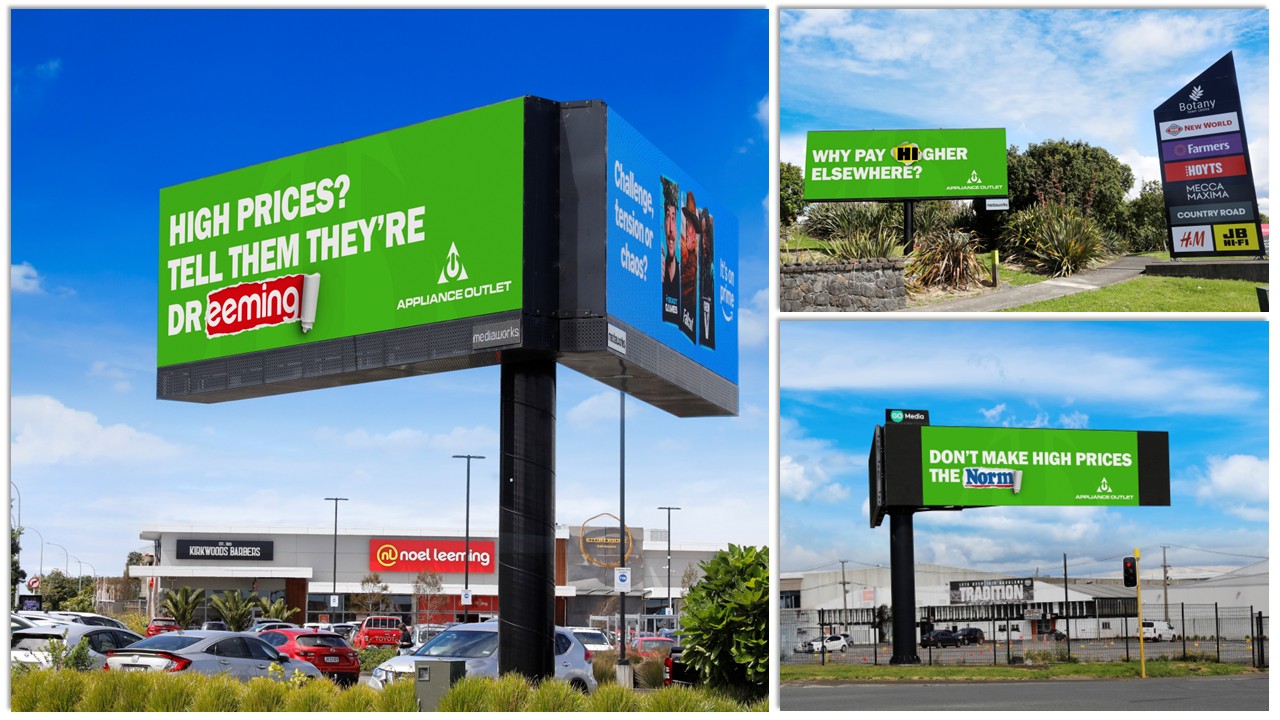
Our unfair advantage is multifold. Firstly, we don’t have to feed the machine. We’re not hamstrung by large overheads, fixed departments, legacy structures, global reporting lines or the need to keep a certain number of people busy. That means we can start from the client’s problem rather than from our own structure.
Secondly, we cast teams around capability, not availability. In many traditional agency models, work is often allocated based on who is free next. Our model works differently. We start with the problem, then assemble the people best suited to solve it. That may mean a strategist with deep category experience, a creative who has built challenger brands before, a media specialist with exactly the right channel knowledge, or a fractional marketing leader who can help the client make sense of the whole picture. The talent is chosen because they are right for the job, not because they happen to be available.
Thirdly, we strip out the unnecessary theatre. Clients are not paying us for lavish office space, San Pellegrino in the meeting room, a harbour view, the layers, the handovers or the red-carpet agency experience. They are also not paying, indirectly, for us to chase other clients. Many agencies have the luxury of pitching for new business because the cost of that activity is ultimately baked into the wider agency model. In other words, existing clients are often helping fund the agency’s pursuit of future clients. That has never sat comfortably with me.
We honestly cannot afford to pitch in the same way as network competitors, but more importantly, we do not really want to. It feels off-brand. I don’t believe clients should be footing the bill for their agency partner to pitch for someone else. So our advantage is also our discipline. Every dollar a client invests with us is channelled into thinking, talent and work designed to move the needle for them. Senior people, built around the problem, without the baggage.
4. How are you using AI to compete above your weight?
AI gives a small, senior team enormous leverage. We use it largely to synthesise information, interrogate categories, map competitors, summarise research, identify patterns, pressure-test strategic territories and accelerate the early stages of thinking. But it always has a human lens applied at the key moments.
For us, AI is not replacing taste, judgement, experience, creativity or instinct. It is helping us move faster towards them. The real advantage is not that AI helps us produce more stuff. Most clients do not need more stuff. They need sharper thinking, clearer decisions and better work.
AI helps us compress the discovery phase, explore more angles and get to the right questions faster. Then human judgement decides what is useful, what is true, what is distinctive and what is likely to work commercially. Used properly, AI lets us behave like a much bigger team without becoming one.
5. What kind of clients are choosing indies right now – and why?
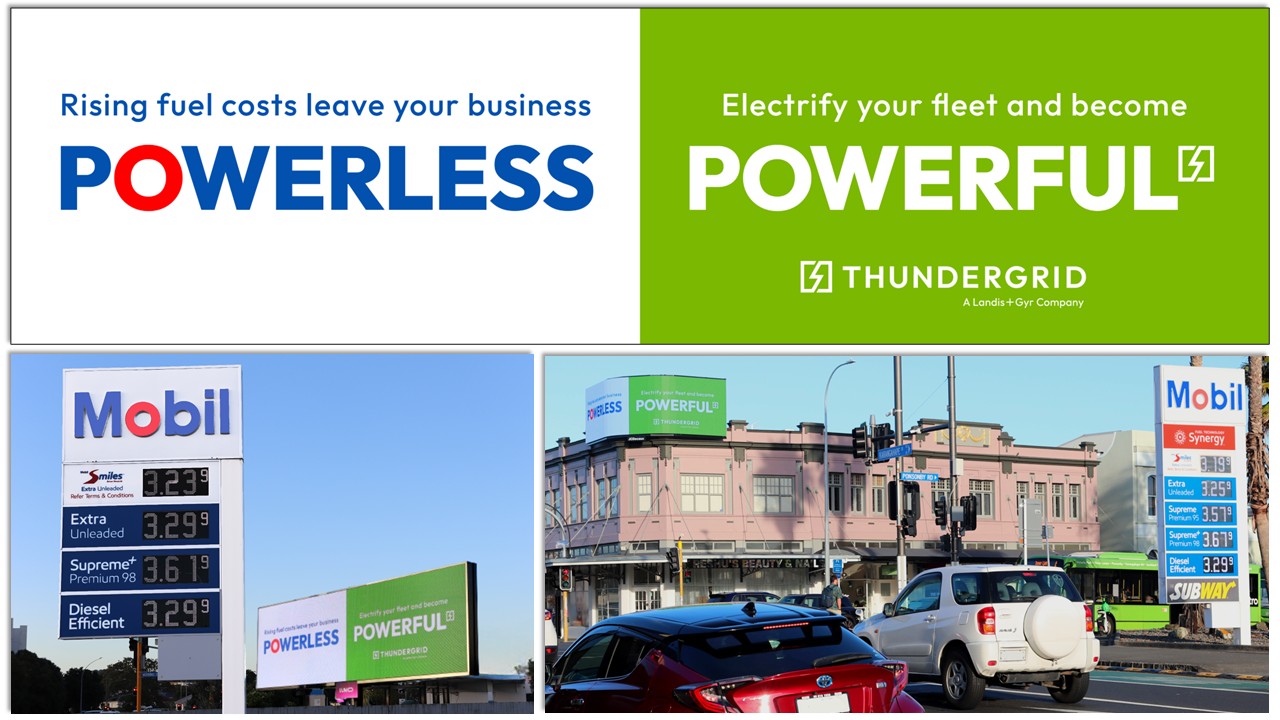
I think there are a few different reasons clients are looking more seriously at independents. For some, it is about wanting to feel more valued. In a large network relationship, particularly if you are not one of the biggest clients in the building, there can be a concern that you may not always get the best people, the most senior attention or the most tailored response. With the right independent agency, clients often feel they will matter more. They will not be treated as a small fish in a very big pond. They will have closer access to senior people, more direct accountability and a team that is genuinely built around their needs.
There is also a sense that many clients are becoming more discerning about what they are buying. They want the best resources made available to them, not whoever happens to be free next. They want to feel like their business is important to the agency, not simply another name on a client list. That does not mean all independents are automatically better, of course. Some indies behave very much like the larger agencies they once set out to challenge. But at their best, independents can offer a level of proximity, care and senior involvement that feels increasingly attractive to clients who want more from the relationship.
In the case of Art of the Possible, the clients and prospects we seem to resonate with are those willing to trade red-carpet treatment, agency theatrics and ‘tada moments’ for genuine collaboration, sharper thinking and closer partnership. They do not want the big reveal. They want to be part of the journey. They do not want surprises. They want work that makes commercial sense and has a genuine chance of delivering growth.
Increasingly, these clients want a partner that behaves like an extension of their own team rather than a supplier performing at them from across the table. They are also asking better questions about where their money actually goes. Does it go into the thinking, the people, the work, the media and the outcome, or does it disappear into overhead, awards entries, speculative pitching, self-congratulatory case studies and machinery that may have very little to do with their business?
That is why our model is attractive to a certain kind of client. Not because it is smaller, but because it is more transparent and intentional. We have deliberately chosen not to build Art of the Possible around constant work announcements, awards submissions or agency self-promotion. Unless publicity is inherently part of a campaign, we would rather our clients’ success be the award.
That does not mean we do not care deeply about creativity. We do. I come from that world. I love the work. But the real measure is whether the work helps the client grow, take share, become more distinctive or shift the needle commercially. The clients best suited to us are often ambitious, commercially hungry and prepared to be more unapologetic. They understand that growth rarely comes from simply “growing the pie”. In most mature categories, if you want to win, someone else has to lose. They want to take on the category leaders. They want work that cuts through, stands for something and connects. Those are the clients we are built for.
6. What’s next – growth, staying lean, or something else?
For us, the next phase is about strengthening the model, not diluting it. There is definitely an ambition to continue expanding further into Australia and building out the network of senior specialists across both markets. But growth for growth’s sake has never been the point.
Too often you see independent agencies start with all the right intentions, then as success comes, they slowly drift towards the same behaviours they set out to challenge. The overhead grows, the layers return, the model becomes heavier, the pitching machine starts, the awards machine starts, and before long the client is paying for the agency’s growth rather than their own.
That is exactly what we do not want to become. We are not against growth, awards or agencies. We are against bloat, waste and anything that redirects client investment away from the work, thinking and resources that help shift the needle. Growth should not change the principles of Art of the Possible. It should strengthen our resolve to stay true to them.
So our focus is to keep building a model where clients can access outstanding senior talent without being asked to fund the machinery that usually comes with it. That means staying lean in structure, senior in thinking and ambitious in impact.
Check out the other New Wave Q&As below:
Register for FREE HERE and receive the Campaign Brief Daily Bulletin and/or the global Best Ads Best of the Week Bulletin. Subscribe to Campaign Brief Magazine.
#More Creative News #No paywalls #No annual membership fees
Subscribe to Portfolio & Reel for current listings of Australian and NZ ad agency and production company leadership and key personnel