The creative industry has a women problem. A new event series just called it out.

Something is happening to senior women in Australia’s creative and media industries. The closer they get to the top, the fewer of them there are. Not because they ran out of ambition. Because the industry ran out of support.
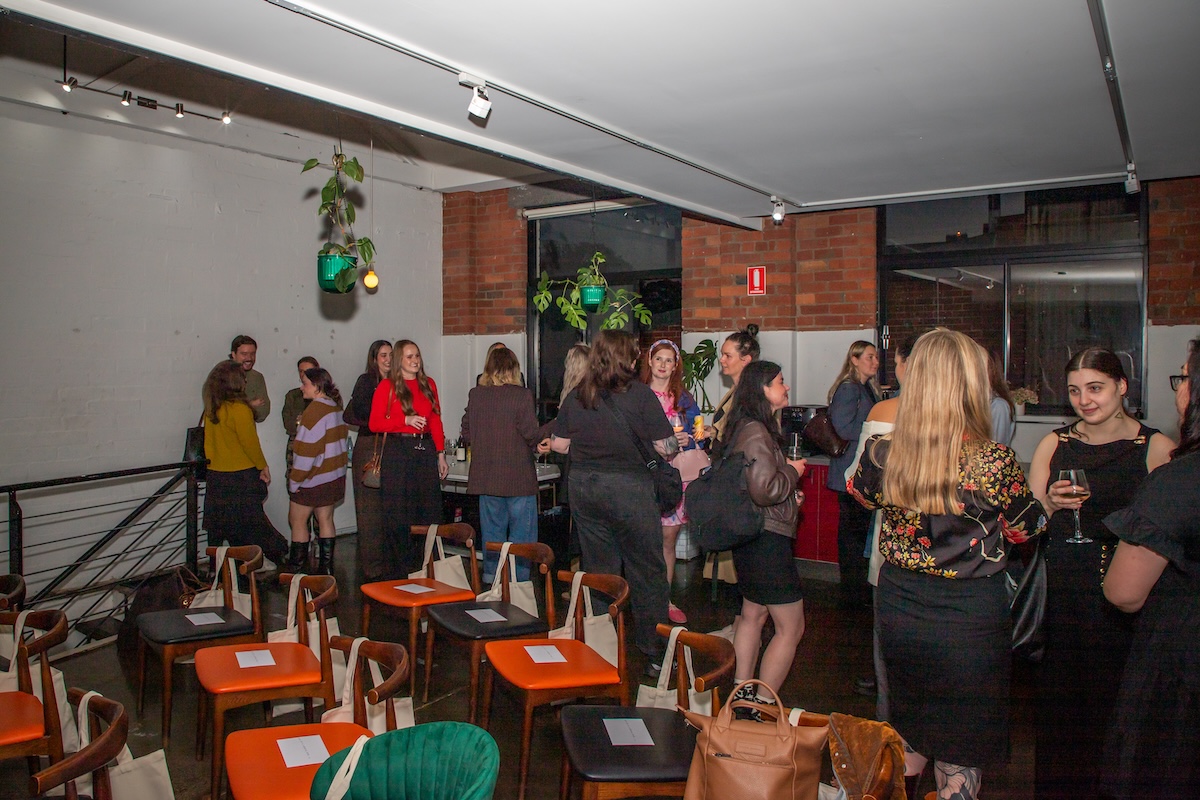
In The Room — a quarterly event series co-created by executive coach Kat Francis and recruitment agency no sunday blues — made its debut at Free Studio in Melbourne last week with 30 senior women from across the city’s creative, PR, strategy, and marketing industries. The first session focused on career strategy and self-advocacy: practical tools to take ownership of your trajectory, advocate confidently for promotions and pay rises, and future-proof a career in an industry that too often forces capable women out.
The problem no one is fixing
Sexism. Ageism. The motherhood penalty. Leadership structures so dysfunctional that smart, ambitious women eventually stop trying to navigate them — and leave. Many describe the same stuck-point: the gap between mid-to-senior level and the C-suite, without the mentors or role models to bridge it. Women who’ve made it to the top with young kids are, frankly, rare. And you can’t be what you can’t see.
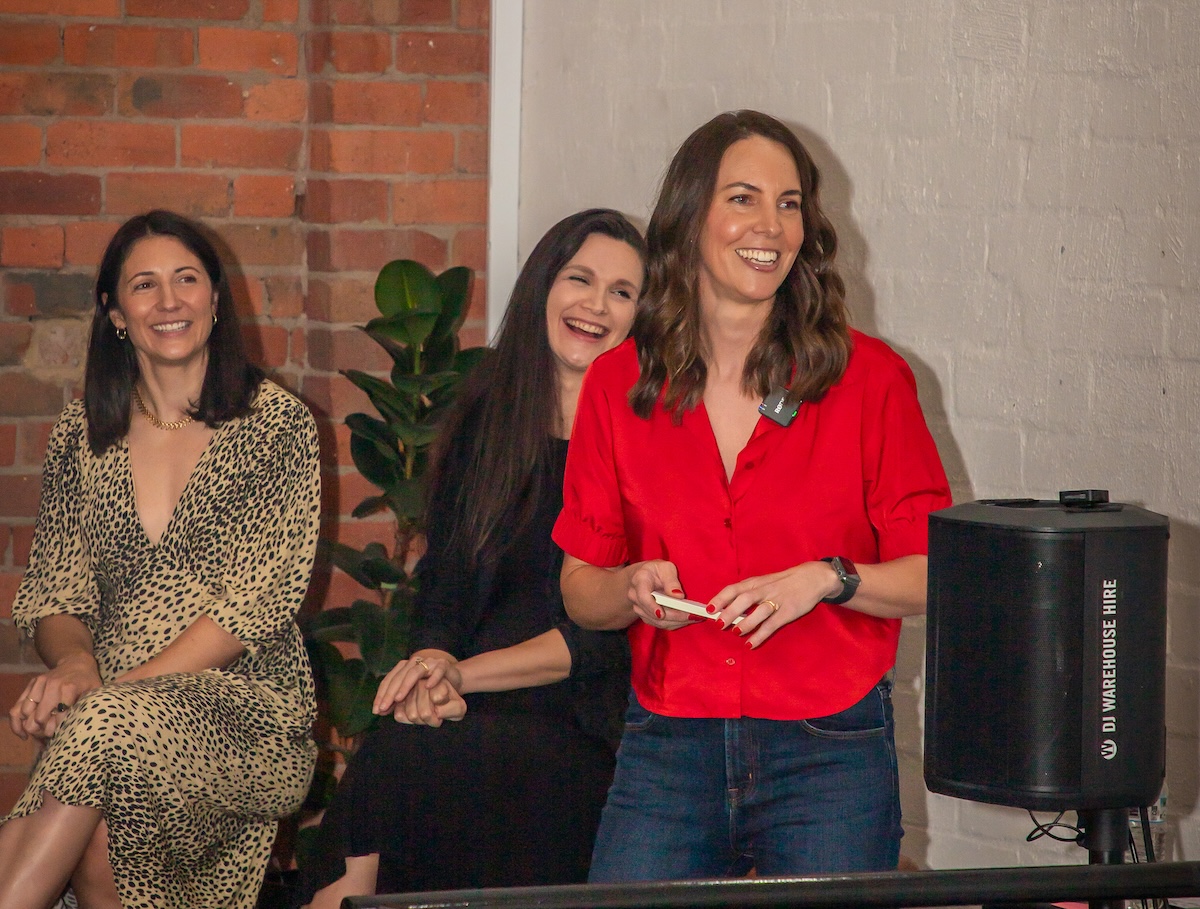
Says Kat Francis, executive coach and co-creator, In The Room: “I made it. MD at Canyon Brand, with equity — the role I’d been working toward for years. And then I realised it wasn’t enough. Not because the job wasn’t good, but because I kept thinking about all the women coming up behind me who were fighting the same battles I had, without anyone in their corner. I’d spent my whole career looking for that kind of support and not finding it. So I left, started Coach Kat, and went and built what should have existed all along. In The Room is the next piece of that — because one-on-one coaching only reaches so many women, and this problem is bigger than that. Steph, Charlotte, and Mikhaila at no sunday blues are the perfect partners for this. They’re on the exact same mission — making the creative industry work better for women — just from a different seat at the table.”
What the room actually said
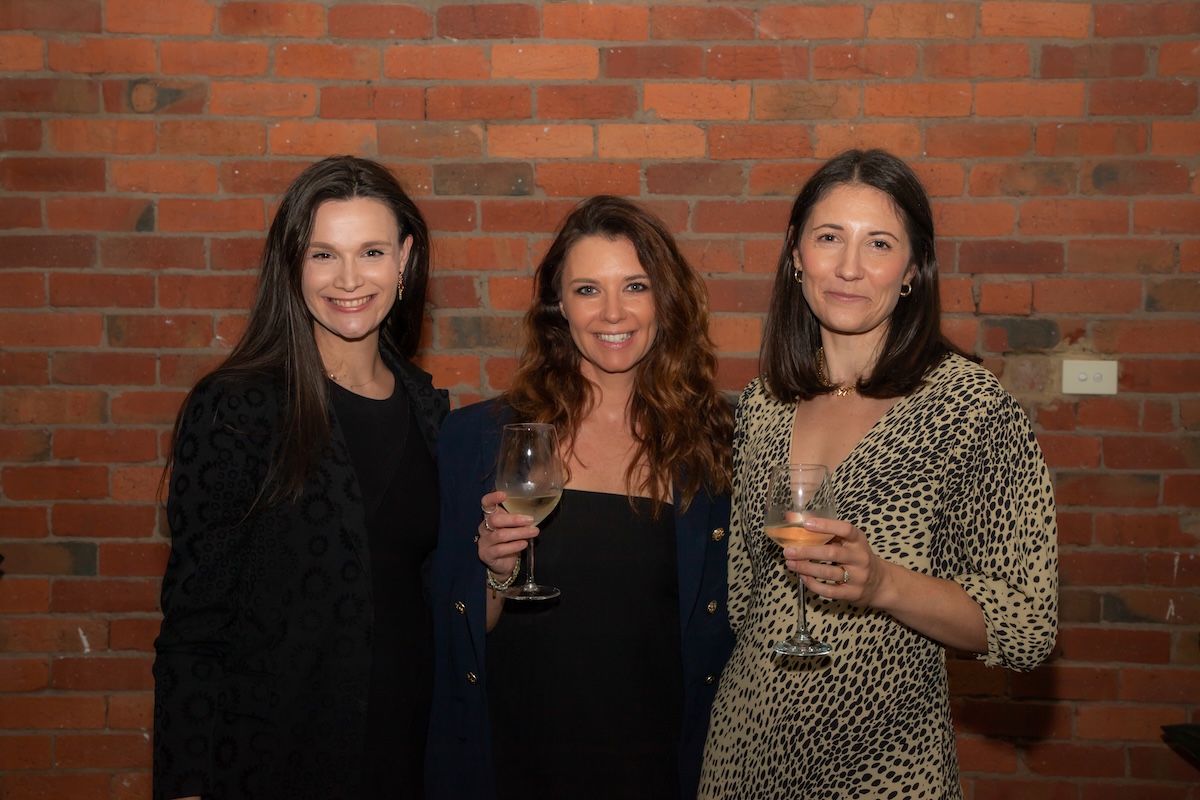
The panel — Ellena Mills-Stainer, Chief Design Officer at Howatson+Company; Ashleigh McInnes, Owner of Papermill Agency; and Jess Hay, Managing Director of The Property Agency Melbourne — brought frank, on-the-record perspective to the conversations that usually only happen in private. Several themes emerged that cut to the heart of why so many capable women stall at the same point in their careers.
Advocating for yourself is not cringe.
One of the clearest threads through the evening: women are dramatically under-selling themselves, and paying for it. The assumption that good work speaks for itself is costing people promotions, pay rises, and opportunities they’ve earned. You need to be vocal about what you’re delivering — not because the people above you don’t care, but because they’re busy and they don’t see everything. The women who get ahead aren’t necessarily doing better work. They’re making sure the right people know about it.
The fear of judgement is the real blocker.
The biggest hurdle in self-advocacy isn’t knowing what to say — it’s getting over the worry about what other people will think. The discomfort of being seen, of putting your hand up, of exposing yourself to judgement. Jess Hay spoke to this directly: when she was appointed Managing Director of The Property Agency Melbourne, she wrestled with whether to announce it at all. She knew she was capable and deserving of the role — but the voice in her head kept asking what everyone else would think. It’s a feeling the room recognised immediately. The reframe that landed: the people who matter will be genuinely delighted for you when you’ve done something exceptional. The ones who aren’t? Probably not your people anyway.
Says Charlotte Flood, Co-founder, no sunday blues: “Imposter syndrome doesn’t disappear. The difference is the women who move forward keep putting the reps in anyway. Confidence isn’t something you wait for — it’s something you build through action.”
Forget the hierarchy. Focus on being irreplaceable.
With levels being compressed and redundancies reshaping the traditional career ladder, title-chasing is a diminishing returns strategy. What actually builds long-term leverage is becoming someone the organisation genuinely cannot afford to lose — not because of where you sit in the org chart, but because of what only you can do. Find the intersection of your talents, your interests, and what the business needs most, and go deep.
Job-hopping for the title might be costing you more than you think.
Ashleigh McInnes raised a pattern she sees repeatedly: women moving roles every two to three years chasing the next level, before they’ve had the chance to truly embed themselves, build deep institutional knowledge, or develop the kind of IP that makes them exceptional at what they do. Meanwhile, their male counterparts stay longer, accumulate more, and become harder to replace. The promotion or pay rise that comes from jumping ship can look like progress while steadily undermining the depth of expertise that creates real career capital.
Your promotion request should never come as a surprise.
Ellena Mills-Stainer’s advice reframed how many in the room think about the path to promotion entirely. Rather than waiting for the annual review and making the case in one high-stakes conversation, she advocates for a continuous dialogue with your manager — proactively sharing what you’re working on, what you’ve delivered, what you’re thinking about. Not as a lobbying exercise, but as a habit of communication that means when the promotion conversation arrives, it’s the obvious conclusion of an ongoing story, not a request out of nowhere. The goal: your manager should already be thinking it before you say it.
What’s next
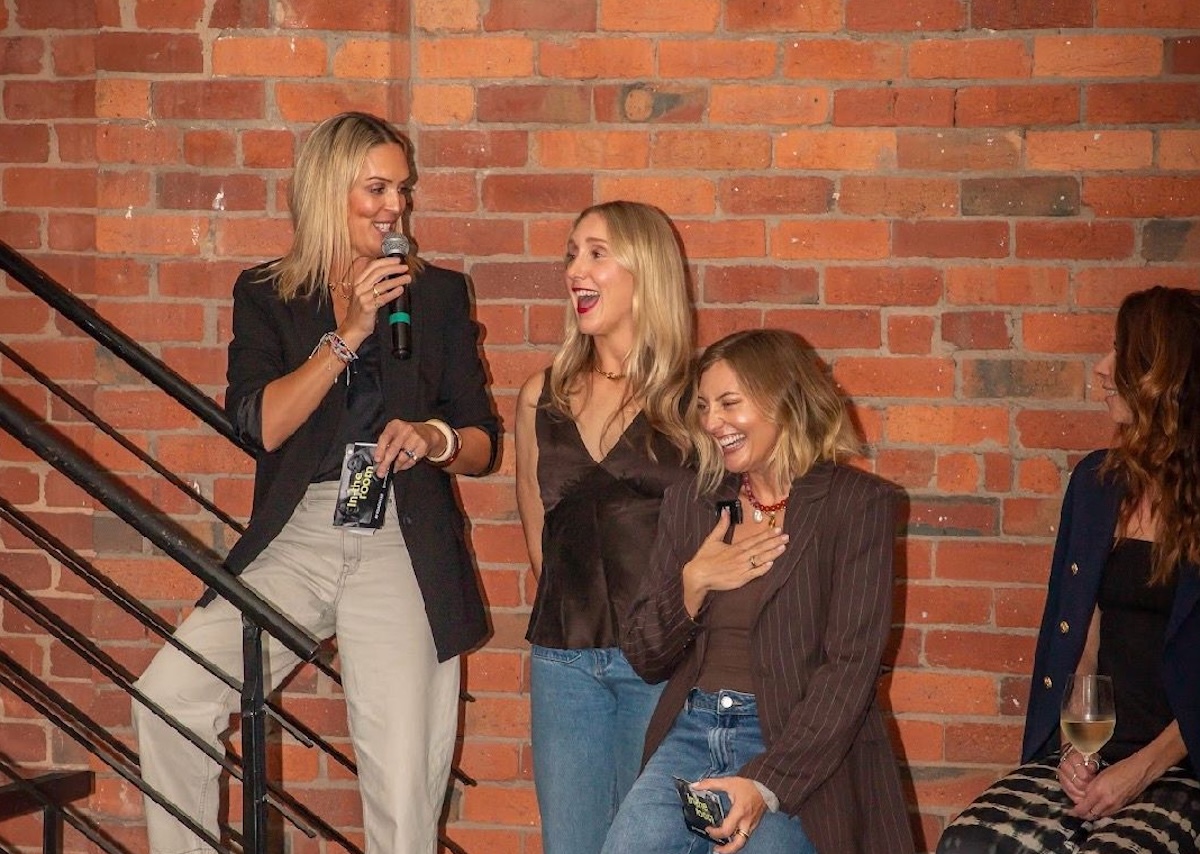
In The Room will run quarterly, with future events covering topics including navigating motherhood and career ambition, burnout and sustainable high performance, and making the leap to the C-suite. Each event will continue to be shaped by the community it serves.
For ambitious women in the creative sector who feel like the industry is asking them to choose between ambition and sanity: In The Room is making the case that they shouldn’t have to.
Register for FREE HERE and receive the Campaign Brief Daily Bulletin and/or the global Best Ads Best of the Week Bulletin. Subscribe to Campaign Brief Magazine.
#More Creative News #No paywalls #No annual membership fees
Subscribe to Portfolio & Reel for current listings of Australian and NZ ad agency and production company leadership and key personnel
1 Comment
I was big agencies for 30 odd years. If you examine who has made out in the last 30 years in this industry, its the people who left big agency and set up their own gigs – good ones ultimately getting bought – they took “agency” over their careers by embracing the fear and risk of starting from scratch. I never did – and that is a regret of sorts but not a major one. In 2026 you can flip open your laptop and start a business this afternoon. But that has always been the problem with this industry – there are no barriers to entry and there are over 6000 agency like substances in Australia. But if I wanted my own culture, free of pay gaps and barriers – I’d find the people to do it with and not attempt to change systems which are about to decimated by ai as we live now in the era of infinite promise and infinite peril. Capitalism rewards audacity and competition – the values of democracy do not.