Natalie Dean-Weymark: Stop Calling It a Step Backwards. If You’re Not Ready for Flexible Work in 2026, You Already Are.
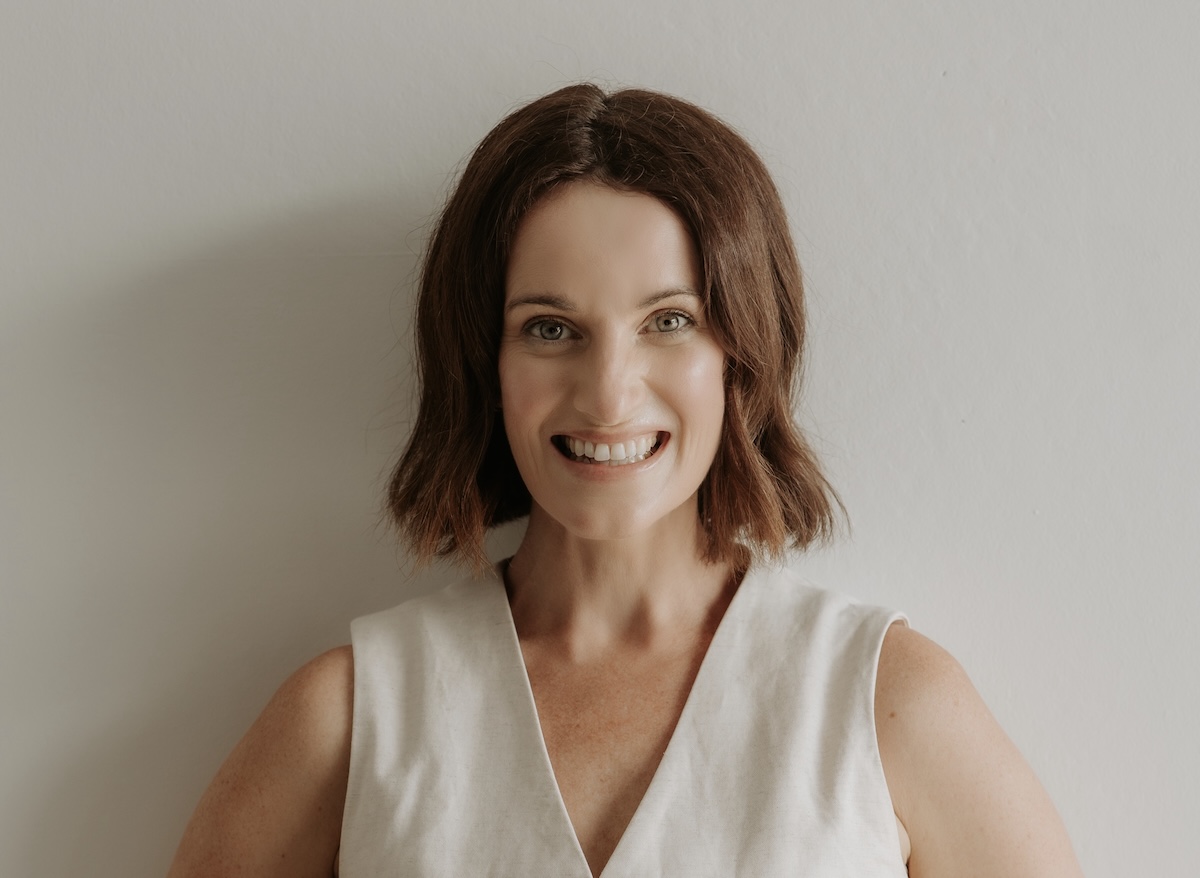
By Natalie Dean-Weymark, Co Founder & Co Director of Compass Studio
We’re back here again. The work from home debate has resurfaced, and with the possibility of a government mandate on the horizon, the business community is up in arms. The loudest voices in the room are calling it a step backwards. I’d like to respectfully offer a different read on the situation: if your business cannot readily operate flexibly in 2026, I’d ask you to sit with the possibility that you’re already behind.
This isn’t a provocation. It’s a genuine question about what an organisation’s resistance to flexible work actually reveals. Because in my experience, the businesses pushing back hardest are often the ones whose operating models, management cultures, and internal trust frameworks haven’t evolved in years. The mandate isn’t the problem. It’s the mirror.
Look at the data around women’s participation in the workforce. It is unambiguous on this. Rigid, location-dependent working environments do not support women’s progression into senior roles. When we require daily office presence as the baseline condition of employment, we are not building culture or accountability. We are creating friction that disproportionately pushes out the people we can least afford to lose. Senior talent, particularly women, cannot meaningfully show up to their careers, their communities, and their families simultaneously within a nine to five office framework. That’s not a work arrangement. That’s an ultimatum.
What concerns me most about the broader resistance to this conversation is what it signals about the thinking happening at the top of organisations. The economic challenges we’re navigating right now are not straightforward. They are layered, human, and complex. They require leaders who can hold nuance, adapt quickly, and draw on a genuine diversity of lived experience. When the people setting the direction cannot imagine a different way of working, I’d argue they’ve already limited their capacity to imagine different solutions to everything else as well. You cannot meet human problems with industrial-era thinking and expect a meaningful result.
Now, I want to address the junior talent conversation because it is legitimate. Early career professionals do benefit from in-person environments. Watching how experienced people navigate ambiguity, picking up on the informal rhythms of a workplace, building real relationships with colleagues: these things matter and they are harder to replicate remotely. But there is a meaningful difference between creating in-person opportunity and enforcing in-person mandates. Mandating presence doesn’t build trust, accountability, or independence in emerging talent. It builds compliance. And compliance is not the quality any of us are trying to cultivate in the next generation of leaders.
At Compass Studio, we’ve built around outcomes rather than location from the beginning. It has shaped how we hire, how we hold each other accountable, and honestly, how we think about what good leadership looks like. The businesses we’ve watched thrive through genuine disruption are consistently the ones that redesigned their operating models around how people actually live, rather than defending the model they inherited.
Before I close, I want to be clear about something. This conversation is not about frontline workers. The people who keep our hospitals, retail floors, hospitality venues, and essential services running cannot do their jobs from a laptop on the kitchen table, and we owe them our genuine respect and our ongoing advocacy for better conditions. That is a different and important conversation. This one is not about them.
For knowledge workers and the leaders making decisions about how organisations function, the real question on the table is not whether flexible work is the future. That ship has sailed. The question is whether your leadership is ready to operate in that future. Because resistance to flexibility isn’t a principled stance. It’s a signal that your organisation hasn’t yet figured out how to trust people to do good work without watching them do it. And that’s not protecting your business..that’s holding it back.
Register for FREE HERE and receive the Campaign Brief Daily Bulletin and/or the global Best Ads Best of the Week Bulletin. Subscribe to Campaign Brief Magazine.
#More Creative News #No paywalls #No annual membership fees
Subscribe to Portfolio & Reel for current listings of Australian and NZ ad agency and production company leadership and key personnel
1 Comment
Great perspectives Natalie, and lovely to see this reality you have built at Compass. The world is uncertain, but leaders and organisations can provide certainty for employees with structures that flow, cultures that are set up for ideation and productivity and building a resilient workforce that can weather the economic storms without fear. It’s time for this kind of leadership – history is just repeating itself, we cannot rely on in-office only employment opportunities.