Matt Supple: The Quiet Advantage – Why Some AI Artists Are Playing a Different Game Than the Rest of Us
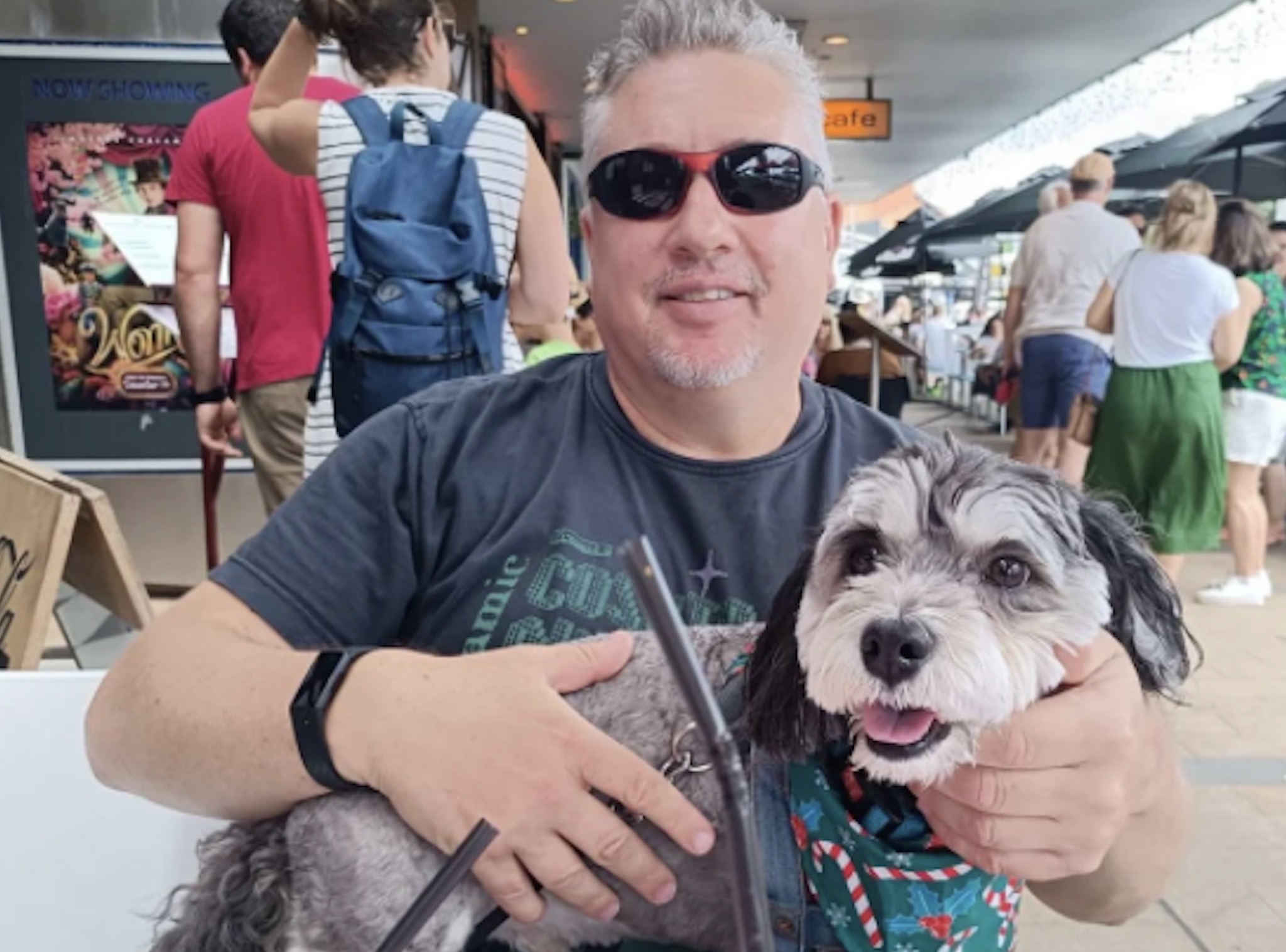
By Matt Supple, high-end retoucher and creative imaging specialist with 25+ years across New York, Sydney, and New Zealand, and founder of Fred NY.
I’ve spent the past week doing something most people in this industry haven’t bothered to do: actually testing whether the AI tools we’re told to trust do what they claim. Verifying disclosure metadata, tracing manifests, pulling apart cache files, reading the fine print nobody reads.
Along the way, I ran a different kind of comparison — not about disclosure this time, but about output. I tested Adobe Firefly against Midjourney, generating from the same references, the same briefs, the same intent.
Firefly’s results were competent. Constrained. Recognisably “safe.” Midjourney’s results were, frankly, better. More striking, more original, more alive.
And that’s not an accident. It’s the direct, measurable cost of doing things the legal way.
Two Different Bets
Adobe built Firefly on a narrow, deliberately clean dataset — Adobe Stock’s licensed library, openly licensed content, and public domain material. Every contributor was compensated. Every image can, in theory, be traced back to a legitimate license.
That’s also exactly why Firefly feels a little stocky. A model can only be as imaginative as the material it learned from, and a licensed, compensated dataset is a much smaller, much safer sandbox than the entire open internet.
Midjourney made the opposite bet. Train on whatever the crawlers can reach — social platforms, portfolios, stock sites, wherever — and let the model’s sheer scale of exposure produce something genuinely more artistically capable. No published dataset. No claims about licensing. Just a terms of service that essentially says: use what you make, and if anyone sues, that’s your problem.
One approach optimises for legal defensibility. The other optimises for output quality. Right now, in my own testing, the second approach is simply winning on craft.
The Part That Should Bother Every Working Artist
Here’s where it stops being a tooling debate and starts being a livelihood one.
If you’re a retoucher, illustrator, or photographer competing for the same briefs as someone generating imagery through a scraping-trained model, you are not competing on a level field. They may be producing work partly built from the uncompensated, unconsented use of other creators’ portfolios — quite possibly creators in this very industry, quite possibly people you know. And it’s currently working better than the tool built specifically to avoid that problem.
That’s the quiet unfairness nobody’s saying out loud on the client calls. The “ethical” option is currently the weaker option, artistically. And the market doesn’t reward ethics — it rewards results.
It’s Not Even Fully Clean on the “Safe” Side
Worth being honest here rather than picking a clean hero and villain: even Firefly isn’t entirely free of this problem. In 2024, it emerged that a portion of Firefly’s training set included AI-generated images — some originating from Midjourney itself — that had been uploaded to Adobe Stock by contributors and accepted into the pool. Adobe has since tightened its submission standards, but the “purely licensed, purely clean” story has an asterisk on it too.
Nobody in this space gets to claim total moral high ground yet. Some are just standing on noticeably higher ground than others.
Will They Keep Getting Away With It?
For now, largely yes — but “for now” is carrying a lot of weight.
Midjourney offers no indemnification. Its own terms explicitly disclaim any responsibility for the IP status of what it generates. Adobe, by contrast, will defend enterprise customers if a Firefly output triggers a copyright claim — a commitment it can only credibly make because of the narrower, licensed training approach.
Multiple lawsuits are already working their way through courts against scraping-trained models. None have yet produced the kind of landmark ruling that would force a reckoning. But that’s a legal system moving at its usual pace, not a system that’s decided this is fine.
Can Scraped-Data Tools Ever Be Used in Full Paid Production?
This is already being answered in practice, quietly, agency by agency:
Enterprise and big-brand campaigns are increasingly steering toward Firefly specifically because of the indemnification. Legal and compliance teams don’t want an unresolved lawsuit attached to a campaign large enough to attract attention.
Smaller budget or exploratory work still runs on Midjourney constantly, largely because enforcement hasn’t caught up with usage. That’s a bet on obscurity, not a legal green light.
The honest current playbook I’m seeing across agencies: Midjourney for mood boards and creative exploration, something legally defensible for what actually ships. Not because the ethics have been resolved — because the risk math has.
Where I Land
I don’t think this imbalance is permanent. It exists because the legal consequences haven’t caught up with the practice yet — and legal consequences, once they land, tend to land retroactively. A serious ruling against a major scraping-trained model wouldn’t just change future behaviour; it could expose every campaign already built on that output.
Until then, the honest position is: the tool with the worse output is currently the safer bet, and the tool with the better output is currently the riskier one. That’s a genuinely uncomfortable trade-off to be making on behalf of a client, and I don’t think enough agencies are being upfront with each other — or with their clients — about which side of that trade they’re actually choosing.
AI absolutely needs a human assessor. Increasingly, it looks like it needs a legal one standing right next to them too.
To get in touch with Matt or view Matt’s portfolio, click here.
Register for FREE HERE and receive the Campaign Brief Daily Bulletin and/or the global Best Ads Best of the Week Bulletin. Subscribe to Campaign Brief Magazine.
#More Creative News #No paywalls #No annual membership fees
Subscribe to Portfolio & Reel for current listings of Australian and NZ ad agency and production company leadership and key personnel