Marcus Byrne: You just pressed a button
By Marcus Byrne, Creative Director, Advisor, and Educator specialising in AI adoption for brands and creatives.
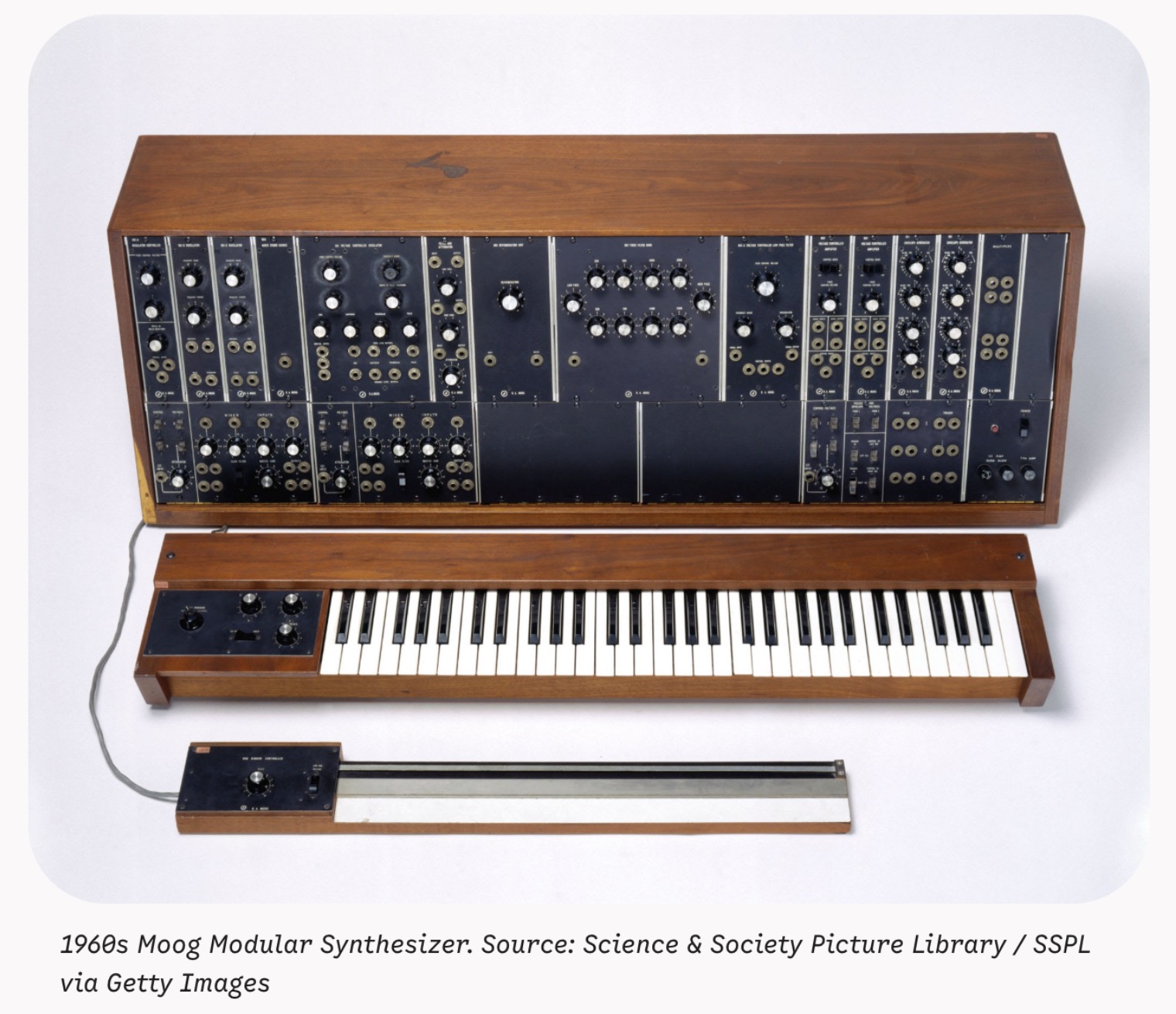
In the mid sixties Robert Moog built a wooden box full of wires and knobs. Press a button and a sound came out. No bow, no breath, no strings, no fifteen years of practice in empty venues on a Monday night.
People hated it. Cold, fake, not real music. Sound familiar?
In May 1982 the Central London branch of the Musicians’ Union passed a motion to ban synthesisers outright. Anything capable of recreating the sound of a real instrument. It never took effect, and it happened on Robert Moog’s forty-eighth birthday, which you couldn’t make up. The catalyst was Barry Manilow touring with synth players instead of an orchestra. What the union really feared was West End orchestra pits full of technicians.
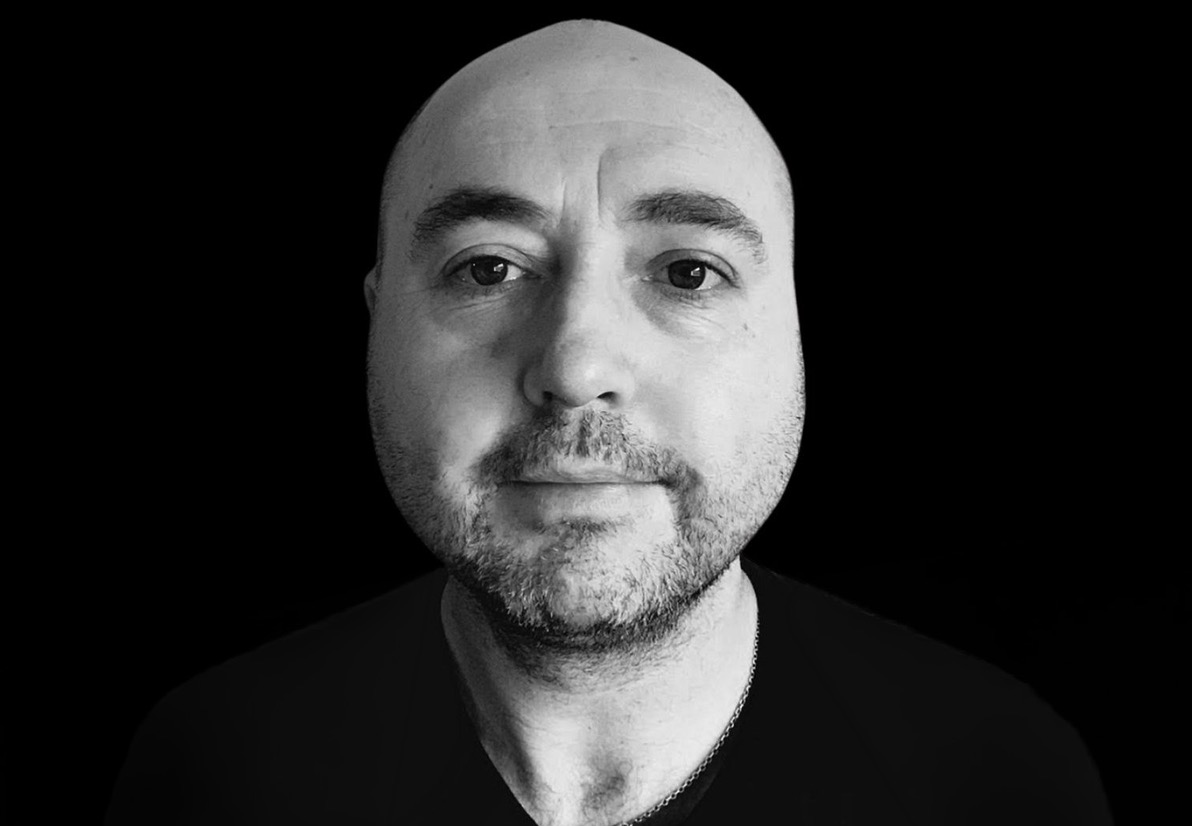
Marcus Byrne (pictured below) is a Creative Director, Advisor, and Educator specialising in AI adoption for brands and creatives. He has published four books on generative AI tools, including Midjourney and Nano Banana.
Some of that happened. Theatre pits emptied. Jingle houses shrank. The multi-day, multi-musician booking became one person in a small room, and it never went back.
But the synth’s big hit wasn’t new at all. In 1968 Wendy Carlos released Switched-On Bach, sold a million copies and won three Grammy Awards. Familiar music on an unfamiliar machine. The safest way to introduce a technology and the surest way to teach everybody the wrong lesson about it.
The right lesson came out of Düsseldorf. Kraftwerk weren’t trying to make the box sound like an orchestra. They made something an orchestra physically could not play. Same buttons everyone else had. Nobody had pressed them in that order before.
Those records crossed an ocean to the ears of kids in the Bronx and in Detroit who couldn’t have hired an orchestra and had no reason to. What came out wasn’t a faster orchestra. It was a music form that couldn’t have existed, filling rooms that hadn’t existed either. Warehouses at three in the morning, a few hundred strangers moving at the same time with no idea what anyone did for a living. The machine didn’t replace people. It connected them.
The people calling it fake in 1982 were dancing to it in 1992.
Now look at us. Most of what Gen AI is doing in advertising is Bach on a Moog. Faster storyboards, cheaper banners, forty versions of an idea we’d already had. Safe, familiar, saves a few quid, starts nothing. We’re still scoring for the pit after the pit emptied.
My first AI project to go viral put Gaudí’s curves on kettles and toasters. It was deliberate. The most ornate architect who ever lived, the dullest objects in the house, because the juxtaposition was funny. It was also Bach on a Moog. You don’t learn what a machine is for from the thing people already recognise.
And we don’t have the language yet. Early television was radio with a camera pointed at a fella reading the news. The close-up, the cut, live sport, Hollywood, Netflix. None of it arrived with the box. It got invented by people messing about. Anyone telling you they know what generative imagery’s visual language is, two years in, is selling something.
Here’s the awkward part for anyone running a shop. Big teams, big retainers, big process. That’s an orchestra, and you have every reason on earth to protect it.
Meanwhile, there’s a nineteen-year-old with a laptop who has never once been told what an ad is supposed to look like.
I’m an optimist about this. I’m the fourth generation of my family to do this. My grandfather set hot metal type at the Evening Herald. My uncle did paste-up for twenty-five years. My father had a silk screen printing business in Dublin. Every one of those trades was wiped out by a machine, and there’s still someone in the family making things.
Tech has never told a story. Not once. A wooden box didn’t write Switched-On Bach and a prompt box hasn’t written anything either. People tell stories, and only ever for one reason. To be understood by somebody else. That’s connection, and it’s the entire job. It always was. The tools will always keep on changing.
The button was never the point. The person pressing it was.
Marcus Byrne is a Creative Director, Advisor, and Educator specialising in AI adoption for brands and creatives. He has published four books on generative AI tools, including Midjourney and Nano Banana.
She’s our Bronx.
So make the room. Time that isn’t answering a brief. Press the buttons in the wrong order. And keep one question going: how could this put people together in a way that wasn’t possible before?
Not a faster ad. A new room.
VIEW THE PRINT MAGAZINE + PAST ISSUES ONLINE. SUBSCRIBE NOW.
Register for FREE HERE and receive the Campaign Brief Daily Bulletin and/or the global Best Ads Best of the Week Bulletin. Subscribe to Campaign Brief Magazine.
#More Creative News #No paywalls #No annual membership fees
Subscribe to Portfolio & Reel for current listings of Australian and NZ ad agency and production company leadership and key personnel