Erin McBean: If authenticity matters, why do we keep killing it in production?
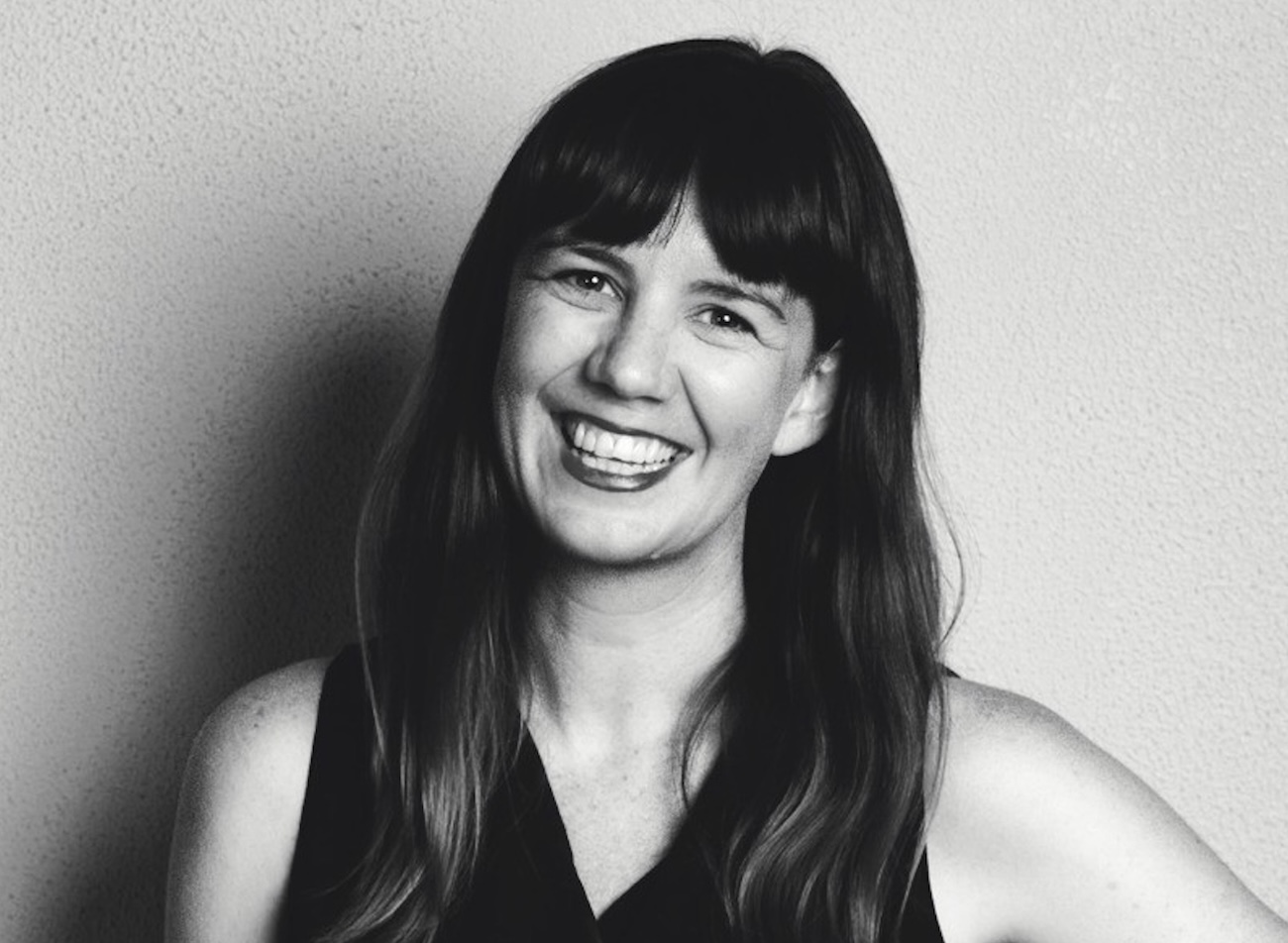
By Erin McBean, Executive Producer & Managing Director, Infinity Squared
In the 15 years I’ve worked in advertising, I can count on one hand the number of jobs where a director has actually been given the space to capture something real; without a client, agency, and layers of crew crowding the set.
And in all of those instances, what we delivered was something that just wouldn’t have existed if we’d followed the usual production process.
This got me thinking. What does it actually mean to create authentic content in an industry that’s so uncomfortable with risk and unknowns? Is genuine authenticity even that important? And if it is, how do we build the kind of trust with clients that allows more of it to happen?
Somewhere between the initial brief and the final edit, those raw, unscripted moments we’re all chasing tend to get swallowed up by the process vortex.
A different way of working
On our recent Best&Less campaign, authenticity wasn’t just a creative ambition. It was also a budget reality. It forced us to ask how we actually speak to families, and how we do it well with what we have.
For us, that meant prioritising a more nimble, low-impact production model with smaller crews, a lighter footprint, all designed to facilitate organic moments rather than flatten them. Because when you strip things back, you create the space necessary for the genuine, unforced moments that truly define authentic content.
There was a moment in pre-production where the client considered being present on set. She asked the director directly if she thought they should be there. In the end, they chose not to attend, trusting the process and giving us the space to capture something that wouldn’t have existed otherwise.
What we’re getting wrong about authenticity
The core problem is that we’ve mistaken authenticity for a production style, rather than a result of trust and relationships. In doing so, we are actively killing the very realness we set out to capture.
Authenticity isn’t something you can manufacture in post-production. It’s built into the process and is part of how a project is briefed, how much freedom a director is given, and how willing a brand is to let real moments unfold.
As audiences become more attuned to what feels staged and what’s real, the industry will need to rethink how work gets made. Because the future of advertising won’t be about directing perfect moments. It will be about recognising the ones that already exist.
And that requires getting three things right. Which, when you look closely, are really just one thing: putting the right people in the room, and then trusting them enough to get out of it.
Start with the storyteller.
The people leading these projects need to be the ones who can observe and find the truth in authentic moments. More often than not, it’s not the director with the shiny commercial reel. True authenticity comes from finding the storyteller who is genuinely connected to the story and who sees what’s already there, rather than imposing what should be.
Cast for the story, not the look
True authenticity rests not just in who is in front of the camera, but in the power and truth of their narrative. And this is where a lot of well-intentioned work quietly falls apart.
We’ve gotten good at casting “real people.” We haven’t gotten good at protecting real stories. There’s a meaningful difference between putting someone’s face in a campaign and actually letting their truth shape it. The former is representation as decoration. The latter requires a creative process that’s built from the brief to edit around the story they have to tell, not the space we’ve carved out for them to fill.
The magic isn’t in the casting. It’s in what you choose to protect.
Trust as a creative mandatory
How many of us can honestly say we have relationships with our clients built on genuine trust, where they respect that they understand their business, and we know ours? To actually deliver on authenticity, we need the freedom to experiment, to take risks, and to act outside the norm.
That client moment on the Best&Less shoot stays with me, not because it was unusual, but because of what it produced. A director left alone with the work. Space where something real could happen. The kind of moment that doesn’t exist in a production schedule, and can’t be called back in post.
That’s what trust makes possible. And until we build more of it into briefs, into relationships, into the way we structure shoots, we’ll keep chasing authenticity in the edit suite, wondering where it went.
Register for FREE HERE and receive the Campaign Brief Daily Bulletin and/or the global Best Ads Best of the Week Bulletin. Subscribe to Campaign Brief Magazine.
#More Creative News #No paywalls #No annual membership fees
Subscribe to Portfolio & Reel for current listings of Australian and NZ ad agency and production company leadership and key personnel
1 Comment
This is an interesting take. I’m going to put something out there for the first time in the CB comments section.
I’ve built my photographic career and commercial practice around a commitment to making authentic images. I’ve often spoken about what it takes for a client to create something real, tactile, and honest, something that feels less like an ad. That idea has been my guiding ethos for over 15 years as a commercial artist.
It hasn’t always been an easy position to hold. I’ve often been pushing against the grain in conversations where clients want authenticity, but also want everything defined, controlled, and approved in advance. “Make it look like your personal work” is something I hear often, alongside detailed brand parameters, shot lists, and production rules.
The reality is that genuinely authentic work requires a different kind of trust between agency producers, clients, and creatives. It often means turning production on its head, more thought upfront, but also space for spontaneity and responding to what the world offers in the moment. After all , isn’t this what authenticity is?
I’ve been fortunate in recent years to be trusted with large brand campaign projects that embrace that approach, often working solo or in very stripped-back teams. That trust has come from forward-thinking agency producers and clients who understand the value of letting the process breathe.
The results speak for themselves. These are the campaigns that stand out and last, from hardcover books to long-form documentary work and unconventional approaches to making advertising. Hell , I recently made 100 OOH pics on the road over a month in 7 states and territories!
In the end, it comes back to the same thing: when you get that balance right, the images do the heavy lifting.
So thank you Erin for raising this topic because it deserves thought and consideration, and let’s hope in an age of artificiality that clients can continue to make space for realness, trust, and the kind of work that can’t be fully pre-engineered.