Campaign Brief Q&A: Kenny Hill on life after Akkomplice and why leaders need a “Kopilot”
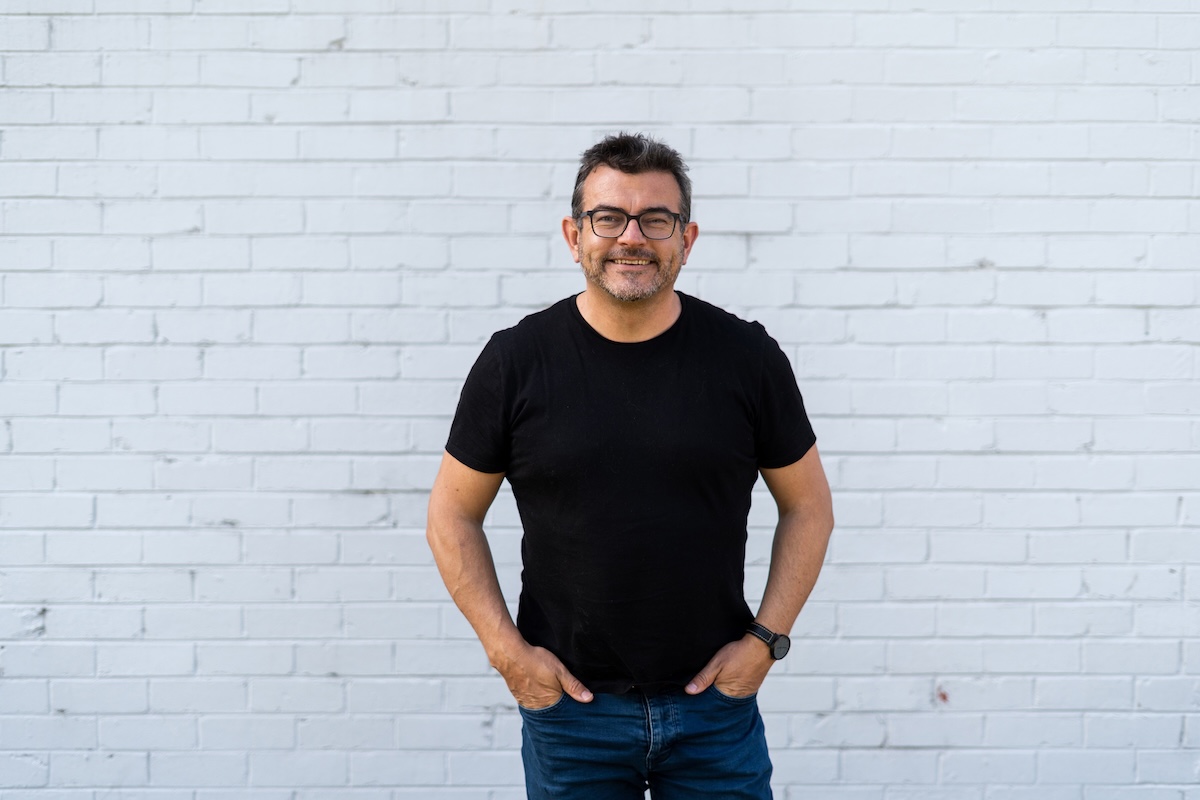
After selling Akkomplice to Howatson+Company in 2024, Kenny Hill has returned with Kopilot, a new model designed to sit beside leaders – and it has wasted no time launching its first campaign for Arnold Thomas & Becker. Here, Campaign Brief chats with Hill about modern leadership, navigating pressure and why decision-makers need a co-pilot.
After a decade building Akkomplice and selling to Howatson+Company, you’ve launched Kopilot as both a creative consultancy and an executive coaching practice. Why now?
Selling Akkomplice gave me something I hadn’t had in years: space to review, reflect and codify my experience. And the space to add a layer of discipline to that experience, with coaching credentials from the ICF that I believe many in our industry can benefit from.
And when I stepped back and looked at the industry, it felt a bit like watching an episode of The Walking Dead. Not because it’s beyond rescue, but because there’s a lot of fear, uncertainty and burnout shuffling around in broad daylight.
When people operate in conditions like this for long enough, the work suffers, but that’s just the visible part of the problem. The real issue is burnout, and it’s quietly hollowing out the industry.
I meet CMOs tasked with achieving more with less, business owners struggling to grow or prepare for mergers and acquisitions (M&A), brilliant Chief Creative Officers suffering burnout, and CEOs who have less time to spend with their leadership teams. This is where I now come in. I help these folks unlock creativity as a professional growth mechanism.
Over time, the real differentiator isn’t just creative brilliance. It’s the clarity, confidence and stamina of the people driving the business. Right now, the industry doesn’t need more noise. It needs leaders who can think clearly, move decisively and bring people with them.
Kopilot is here to help them do that.
Kopilot describes itself as a co-pilot rather than an agency. What does that mean in practice?
There are brilliant agencies out there. And there are consultancies that will sell you a very impressive deck or two.
The problem is that often you’re either outsourcing creativity or buying advice from people who don’t know what it’s like to sit in your seat. But I do.
I’ve been the founder worrying about payroll. I’ve been the ECD defending work I believed in. I’ve been the MD navigating mergers and thinking about long-term value and staff retention.
So when I say co-pilot, I mean someone who sits beside you. Not to replace you or to grab the controls, but to help you operate at a higher level.
For agency founders, that might mean sharpening positioning, lifting standards, supporting a pitch or preparing properly for M&A conversations. A sale isn’t just about numbers. It’s about narrative, maturity and proving your business can thrive beyond you.
For CMOs and CEOs, it might mean pressure-testing a big idea before it goes to the board. Or strengthening an in-house team so output improves without increasing headcount. Or bringing big-gun creative firepower to a critical brief, without the weight of a lumbering structure. Or being an experienced sounding board and helping leaders avoid burnout.
It’s not about adding another layer. It’s about adding lift. Helping the ambitious to succeed.
You are now ICF accredited as an executive coach. How has that changed your approach?
Becoming ICF accredited formalised something I had been doing instinctively for years: helping ambitious leaders think clearly, back stronger ideas and stay steady when the pressure is on.
It also made me quieter! Our industry rewards having the answer. And I love having the answer, believe me. But coaching reinforced the power of asking better questions.
High performance isn’t about volume or bravado. It’s about clarity and intention. Confidence, resilience and creative bravery aren’t personality traits. They’re capabilities that can be strengthened.
That shifts how you lead. You listen more closely. You become more conscious of separating ego from outcome. You learn how to challenge people without crushing them and how to raise standards without creating fear. And there’s already enough fear in the system.
I’m deeply passionate about the growth of talent. I’ve had the privilege of mentoring successive generations of future leaders in our industry, whether through The Marketing Academy or inside the agencies I’ve led. The formal ICF training elevated that instinct and experience and gave it structure.
Now I’m not just relying on gut feel. I’m bringing proven tools to help leaders, on both the agency and client side, perform at their best.
Ultimately, it’s about helping leaders make better decisions under pressure. Because in our world, the quality of decisions compounds.
Your first campaign out of the gate with Arnold Thomas and Becker is anything but expected. What was the brief?
Arnold Thomas & Becker came to us because they wanted to put a rocket under brand awareness. They were prepared, and specifically asked for, work that would really stand out.
From the first meeting, it was clear this is a firm with genuine conviction. They believe deeply in standing up for the little guy who feels like they’ll be crushed by the legal system.
It’s that conviction that led us to the idea of contrasting all the fear and intimidation of “The System” with the fearlessness and expertise of their lawyers – something that no other firm had done.
The ambition wasn’t about creating brave work for the sake of it. It was about linking bravery directly to the brand’s core belief and we encapsulated that by reframing a familiar industry line into something sharper: No win, no fee. No fear.
The client backed brave work all the way. How did you build that trust?
Trust was built long before we presented a single idea.
Deep listening is a core principle I bring from coaching, as is strengthening what’s already working, rather than trying to override it. So, we spent time understanding their ambition, their appetite for risk and what bravery meant to them commercially. The conviction was already there. We gave it shape and scale.
We talk a lot about return on investment. I think there’s something equally powerful called return on trust. When trust flows and alignment is real, hesitation disappears and the work lifts. And that’s often when the best decisions get made.
And given their work in achieving justice for victims of institutional sexual abuse, our work had to balance commercial impact with genuine sensitivity. Trusting us to get that right mattered above all.

You brought in Andy Flemming and worked with Atmos Studios rather than offshore or AI. Why?
Because this work had to be brilliant.
Andy Flemming is one of the most accomplished writers in Australia and someone I first worked with at M&C Saatchi Sydney many years ago. He can see what others don’t.
It was Andy who first articulated The System as a vast, intimidating force and unlocked the campaign idea. From there, we collaborated closely to refine and expand it across practice areas and channels.
With Mitch Kennedy behind the lens and the wizards at Atmos Studios in Sydney handling VFX, there was deep trust. None of what you see on screen was created with AI. It was built by talented humans who care deeply about their craft.
Any technology is a tool. Human taste, skill and judgement are what will always drive great outcomes.

You’ve led inside multinationals, built and sold an independent, and navigated mergers. What are the biggest lessons?
First, nobody is self-made. Anything I achieved was because of exceptional people and the ability to collaborate and get the best out of each other. Clients included.
Second, leadership is lonely. Really fucking lonely.
We pile pressure on senior leaders and often give them very little support. The best leaders I know aren’t chasing flashes of brilliance. They are steady. They know their values. They protect standards and protect people at the same time.
And third, every serious leader needs a sounding board. When you’re carrying payroll, reputation or shareholder expectations, it’s so easy to start second guessing or doubting yourself.
Leaders aren’t asking to be given the answers. And they don’t need cheerleaders. Sometimes they just need someone experienced to say, your instinct is sound. Back yourself. Or, at times, a frank word in their ear to redirect an approach when it’s not serving them well.
What does success look like for Kopilot in its first year?
I’m not here to build another big team. I’ve done that. I’m here to help ambitious leaders operate at a higher level.
I’m here to strengthen creative leaders so they protect great work and protect their people from burnout at the same time.
I’m here to help CMOs land defining ideas internally, sharpen in-house capability and build more value into their agency relationships.
I’m here to help agency founders scale more confidently, win the right work and prepare properly for transition when the time is right.
And if I do all of that, it’s a very good first year.
Register for FREE HERE and receive the Campaign Brief Daily Bulletin and/or the global Best Ads Best of the Week Bulletin. Subscribe to Campaign Brief Magazine.
#More Creative News #No paywalls #No annual membership fees
Subscribe to Portfolio & Reel for current listings of Australian and NZ ad agency and production company leadership and key personnel