
Are Brands Too Fearful of the Ban? It’s Time for Progress, Not Panic.
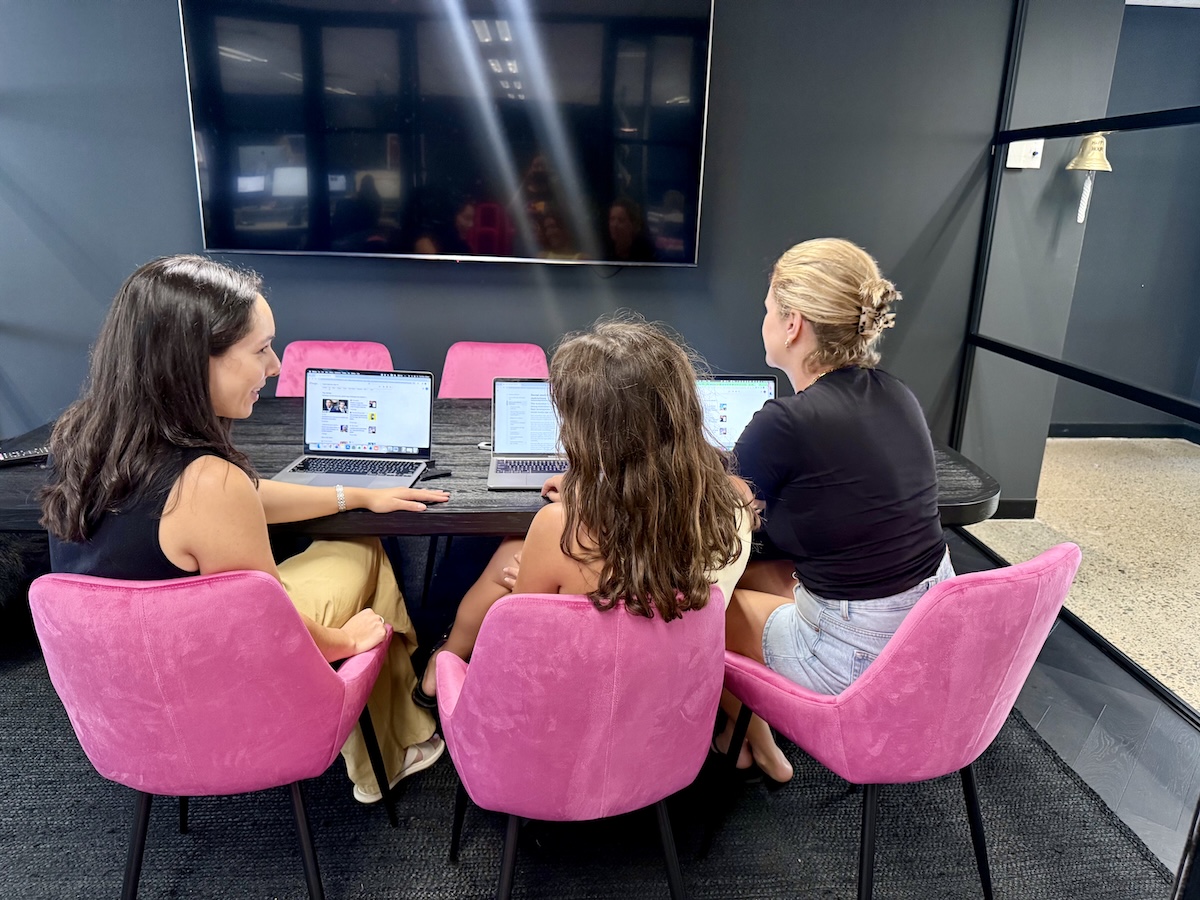
Co-written by WiredCo.’s David Kennedy, Managing Director & Partner and Steph Edwards, Head of Social Content and Creative.
As Australia implements one of the world’s most ambitious social media restrictions for under-16s, the national conversation has rightly centred on digital safety. The intent is clear and well-meaning: to create a healthier, more regulated online environment for young people. But beyond the headlines lies a more complicated reality, one that brands, parents, policymakers and young people themselves will soon have to navigate.
A ban with good intentions, but complex realities
WiredCo believes the proposed ban comes from a place of genuine concern. Reducing exposure to harmful content matters. But history tells us something essential: restricting behaviour rarely eliminates it. More often, it shifts it somewhere else.
Strict age controls are notoriously difficult to enforce at scale. And while social platforms may tighten their verification processes, young people are highly adaptable. They will continue to gravitate to digital spaces, just not always the ones adults expect or can easily monitor.
Already, under-16s spend significant time on platforms that fall outside the traditional “social media” definition:
• WhatsApp and private messaging apps
• Gaming communities
• Music and entertainment ecosystems like Spotify
So, while there may be short-term disruption for brands and platforms, the fundamental truth remains: young people will still be online, still shaping culture and still influencing what becomes cool. The landscape will evolve, but it won’t pause.
Parents as the new gatekeepers? Not exactly, we believe they always have been
There’s been speculation that the ban will elevate parents as the new “gatekeeper audience.” But we believe, that to a degree, they always have been.
Parents have long influenced teen behaviour, whether through household spending power, boundaries around what feels appropriate, or decisions about access to technology, entertainment and clothing. What may shift now is the intensity of that influence.
For brands, this isn’t a cue to pivot away from teens and focus solely on parents. It’s a reminder that effective brand strategy has never been about hyper targeting narrow demographics. The brands that thrive are the ones that speak to multiple audiences simultaneously through compelling, emotional storytelling.
Coca Cola is a perfect example. Its most iconic work isn’t made for 15-year olds or 55-year-olds—it’s made for everyone. Emotional resonance transcends age brackets.
In a digital world increasingly fragmented across private chats, micro-communities and closed networks, this universal appeal matters more than ever. If a brand can make people feel something – joy, nostalgia, belonging, it will continue to cut through, regardless of changing algorithms or platform access.
We believe influencer marketing will shift but teen influence won’t disappear
Categories that rely heavily on teen creators will face new pressures, but the idea that youth influence will vanish is misguided. We believe it will reorganise, migrate and re-emerge in new forms, just as it has in every generation of digital culture.
We’re already seeing these shifts happen organically:
• Migration into closed platforms and group-based communities
• Growth of invite-only servers, private group chats and micro-communities
This mirrors a long-standing digital pattern: from early chat rooms to MSN Messenger, BBM and now Discord, young people consistently move toward more private, controlled spaces.
For brands, the implication is clear: Relying on public-feed influencers will no longer be enough.
Instead, success will come from:
• Integrating with micro-communities
• Building authentic partnerships that feel at home in closed digital environments
• Developing parent-aware messaging
• Creating multi-layered strategies that speak to teens and gatekeepers simultaneously
Influence is not disappearing—it’s decentralising.
The path forward: Creativity over targeting
The emerging landscape is not defined by restriction but by evolution. Young people will continue to define culture, likely in quieter or more private ways. Parents will remain important decision-makers. And brands will need to adapt – not by chasing audiences across fragmented platforms, but by elevating the power of emotional storytelling.
At WiredCo, we believe the brands that will win in this next chapter are those that approach creativity with ambition, humanity and cultural insight. If you can move people – parents, teens and everyone in between – you can stay relevant no matter how social platforms evolve.
Register for FREE HERE and receive the Campaign Brief Daily Bulletin and/or the global Best Ads Best of the Week Bulletin. Subscribe to Campaign Brief Magazine.
#More Creative News #No paywalls #No annual membership fees
Subscribe to Portfolio & Reel for current listings of Australian and NZ ad agency and production company leadership and key personnel