Stephen de Wolf’s LIA Diary #1: Setting the agenda for the inaugural Sports category
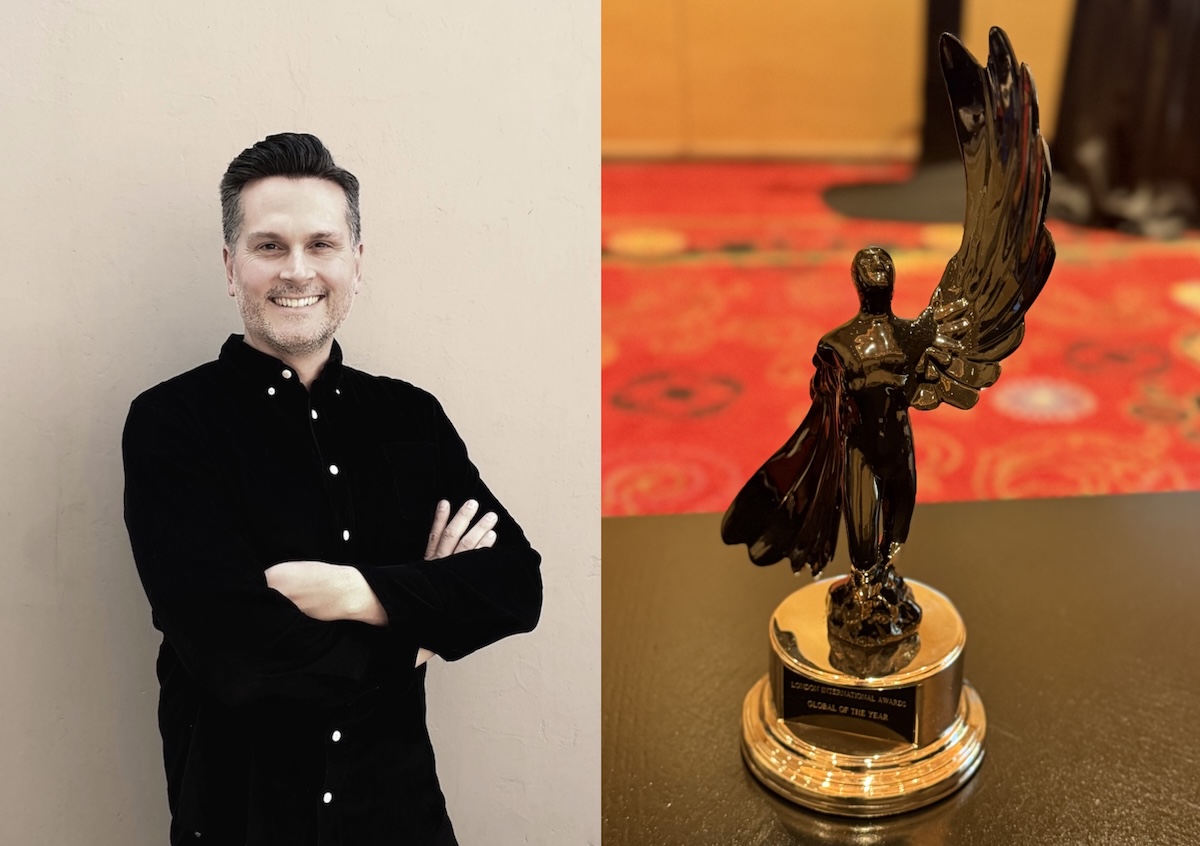
Stephen de Wolf, National Chief Creative Officer, Clemenger BBDO, is representing Australia on the inaugural Sports jury at LIA in Vegas. Here, de Wolf, along with most of the other Australian and New Zealand jurors, reports exclusively for CB.
48 hours in Vegas and, while I’ve only walked to and from my hotel room to the jury room, I’ve seen some weird and wonderful things. Who knows what I’ll be exposed to when I finally venture outside the doors of the hotel.
It’s been a rainy couple of days though. Not for the work, there is some interesting thinking in our category.
This year is the inaugural year for the Sports category at the LIAs, so it’s a privilege being on this jury as we set an agenda for the category’s future.
The 10-strong jury is a diverse mix of backgrounds, from pure creative and specialist sports agencies to sports management, sports codes, and platforms.
Led by our Jury President, Shannon Washington, Chief Creative Officer at 11 Ounces in the US, the first thing we did was establish the criteria for our new category and how to judge the work.
There are 7 criteria we are filtering the work through:
1. All sport is equal.
From beach volleyball and basketball to Hyrox racing (yes even after the incident) and curling, all sport is equal
2. Does it treat fandom as culture, not an audience?
The best work understands sport is culture, and culture is carried by people, not placements. Did the brand show up inside the rituals, the rivalries, the real-time reactions or did it just buy proximity?
3. Does it have genuine creative bravery?
We ask athletes to go above and beyond to win the game, the same should go for our brands and awards.
4. Is the partnership real, or is it rented?
Athletes are moving from endorsers to equity partners, creating authentic alignments. Juries should push past surface-level talent deals and ask whether the partnership reflects something the athlete or sports entity believes in or whether the brand just bought access.
5. Does it expand who sport belongs to?
The jury should interrogate whether the field of entries reflects the full breadth of sport in 2026 – women’s leagues, emerging formats, Global South athletes, non-mainstream sports and so on. Work that opens the tent deserves recognition alongside work that commands the main stage.
6. Does it move at the speed of ‘sport’ culture?
Modern campaigns are often more gritty, grassroots, and provocative than sports campaigns of the past. Polished isn’t always the goal. The jury should reward work that responded to a cultural moment with precision and speed, not just work that was expensive or beautifully produced.
7. Does this feel made or generated?
As AI-generated content floods the field, the jury should be asking: does this feel made or does it feel generated? The work that wins should be traceable to human creative conviction.
With that, we’ve not gotten into much chat about the work just yet. The first two days have been going through all entries and scoring the ideas. The real conversation starts today when we decide the shortlist and then start awarding trophies.
VIEW THE PRINT MAGAZINE + PAST ISSUES ONLINE. SUBSCRIBE NOW.
Register for FREE HERE and receive the Campaign Brief Daily Bulletin and/or the global Best Ads Best of the Week Bulletin. Subscribe to Campaign Brief Magazine.
#More Creative News #No paywalls #No annual membership fees
Subscribe to Portfolio & Reel for current listings of Australian and NZ ad agency and production company leadership and key personnel