LIA’s Creative LIAisons commences in Las Vegas
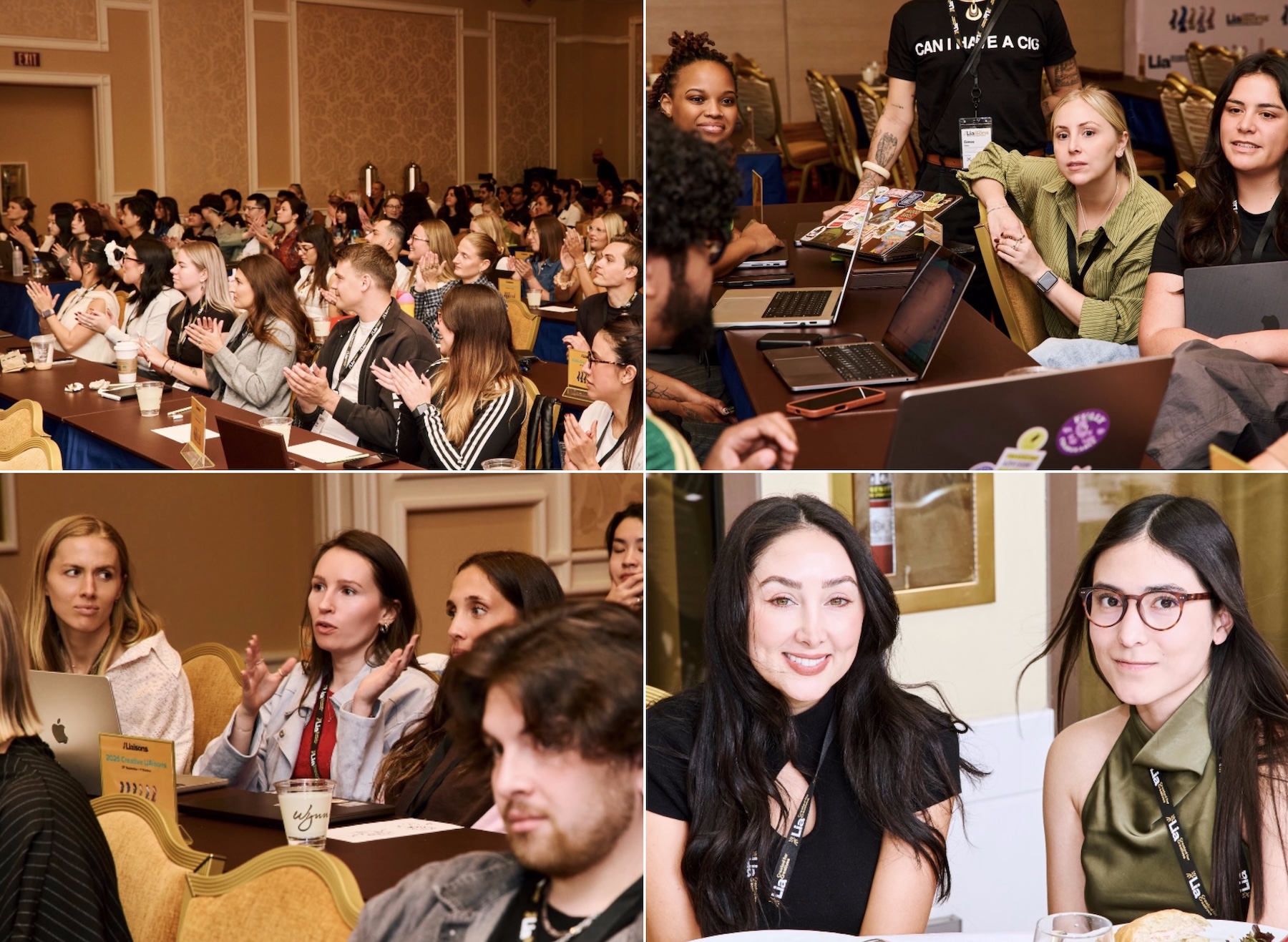
128 young creatives have landed in Las Vegas for the 2026 Creative LIAisons program. The first of five days was packed with learning, access and creative exchange. Through candid conversations, hands-on workshops and the rare chance to observe live Statue discussions inside the LIA jury rooms, attendees get an unusually close look at how great ideas are made, challenged and judged – and how great creative leaders are shaped.
Day 1 jumps straight in, covering what CCOs want today, the power of audio, music’s role in building brands, creative advocacy, the interplay between strategy and creativity, and the lessons that come from things going wrong.
Laurissa Levy, Creative LIAisons Director, said: “The real value of Creative LIAisons is giving emerging talent access they would rarely get this early in their careers. They learn directly from some of the industry’s most experienced leaders, see how great work is debated and judged, and build relationships with peers from around the world. Whatever lessons and connections happen in Vegas stay with them long after the five days are over.”
Check out the day 1 highlights:
What Do CCOs Really Want (Other Than Therapy)
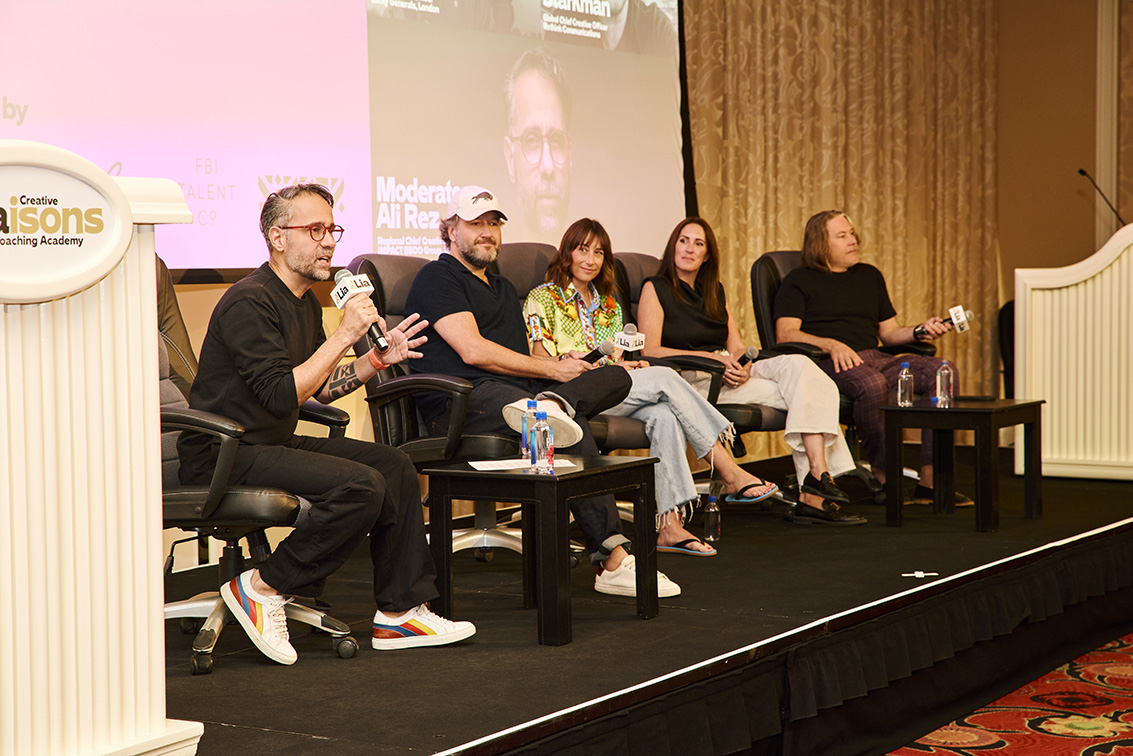
Creative LIAisons opened with a candid look at what today’s creative leaders are really searching for in the people they hire, mentor and back. Moderated by Ali Rez, Regional Chief Creative Officer, IMPACT BBDO Group, the conversation brought together Alexis Bronstorph, Chief Creative Officer, No Fixed Address Toronto; Matt Murphy, Global Chief Creative Officer, 72andSunny; Shelley Smoler, Chief Creative Officer, Lucky Generals London; and Aaron Starkman, Global Chief Creative Officer, Rethink Communications.
The panel shared how becoming a better creative often starts well beyond advertising. The panel championed curiosity, outside interests, finding opportunity in unlikely briefs and looking to the past for unexpected ways forward. As Matt Murphy put it, “You can’t be interesting if you’re not interested. Your interests are what inform your character.”
Audio & Radio Jurors Share Why Audio Hits Different
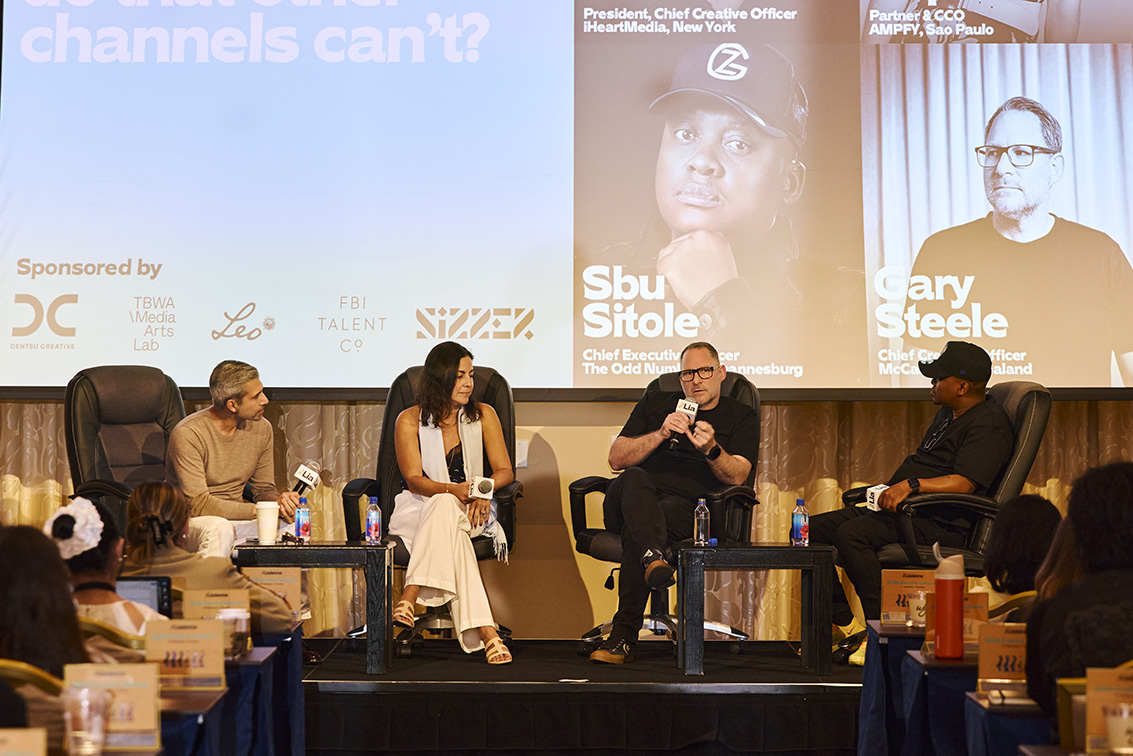
Why does audio still matter in an increasingly visual world? Moderated by Rahul Sabnis, President and Chief Creative Officer, iHeartMedia New York, the Audio & Radio jury brought together Andrea Siqueira, Partner & CCO, AMPFY São Paulo; Sbu Sitole, Chief Executive Officer, The Odd Number Johannesburg; and Gary Steele, Chief Creative Officer, McCann New Zealand for a refreshing look at the intimacy, portability and imaginative power of sound.
The panel explored how audio can enter people’s lives in uniquely personal ways, inviting listeners to co-create the story in their own minds while giving brands new opportunities to think beyond campaigns and toward sonic identity. They also fielded questions on how creatives can thrive in the medium, from understanding how people actually listen to making the most of audio’s freedom and flexibility. As Sbu Sitole put it, “Audio moves with people. They can take it wherever they go, and that gives creatives the chance to really play with the format.”
When Creativity Takes a Stand for Humanity
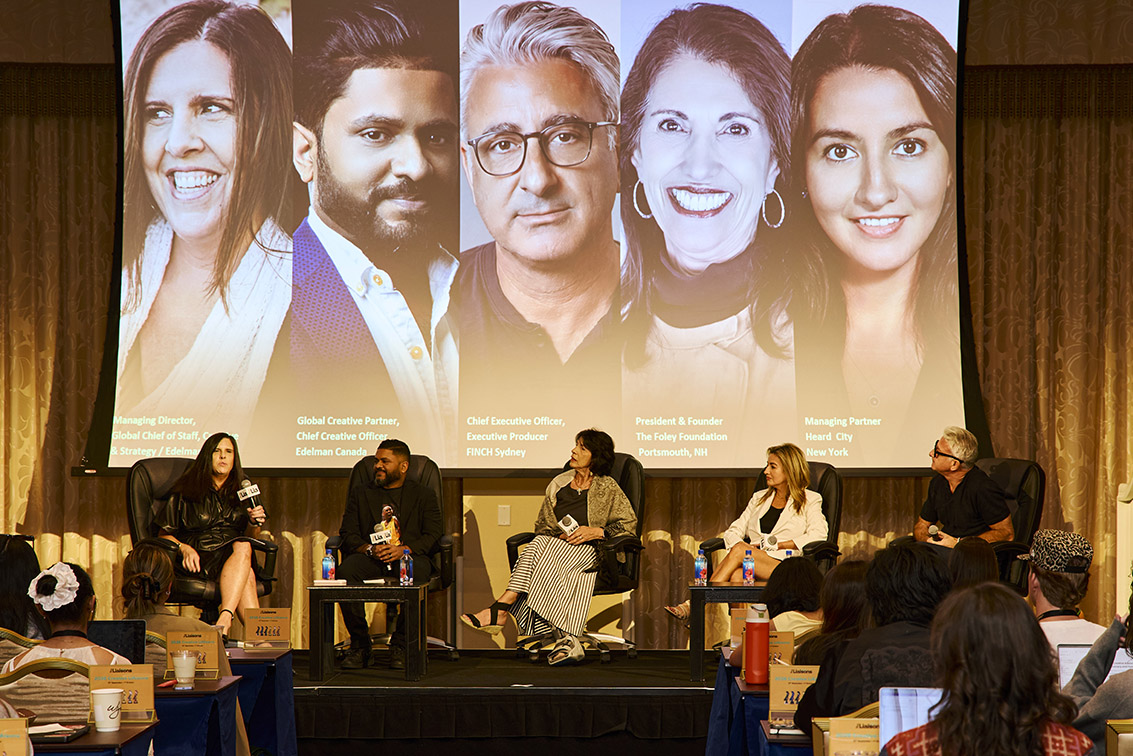
Drawing from LIA’s new Democracy and Human Rights category, the session explored how creativity can tackle issues far beyond advertising. Moderated by Carrie Miller, Global Chief of Staff, Creative & Strategy, Edelman Chicago, the panel brought together jurors Anthony Chelvanathan, Global Creative Partner and CCO, Edelman Canada; Rob Galluzzo, CEO/EP, FINCH Sydney; Diane Foley, President & Founder, James W. Foley Legacy Foundation; and Gloria Pitagorsky, Managing Partner, Heard City New York.
Through case studies and deeply personal stories, they challenged attendees to look beyond one-off “silver bullet” gestures and focus on work that creates lasting impact, from listening to communities already doing the work to understanding which problems matter most, and to whom. As Anthony Chelvanathan puts it, “As creatives, we have more power than we think. Sometimes all it starts with is a pen and paper. That’s a gift, and if we can use it not only to sell something, but to leave something meaningful behind, that’s a powerful legacy.”
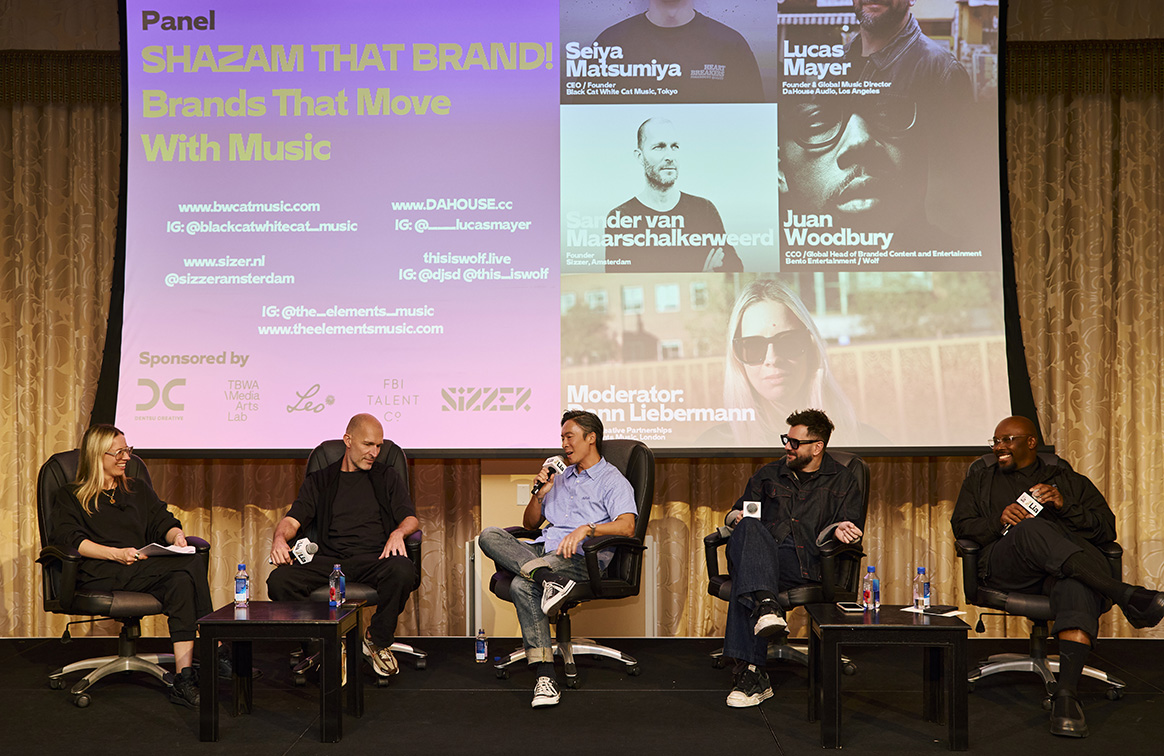
When Brands Earn a Place in the Playlist
Music is one of the most intimate ways people express identity, culture and belonging, which makes it a potent way for brands to get closer to audiences. Moderated by Dann Liebermann, Head of Creative Partnerships at The Elements Music, the Music & Sound jury panel brought together Seiya Matsumiya, CEO/Founder of Black Cat White Cat Music Tokyo; Lucas Mayer, Founder & Global Music Director of DaHouse Audio Los Angeles; Sander van Maarschalkerweerd, Founder of Sizzer Amsterdam; and Juan Woodbury, CCO/Global Head of Branded Content and Entertainment at Bento Entertainment/Wolf. Together, they explored why brands should stop treating music as something added at the end and start using it as a creative and strategic starting point.
The panel argued that music partners can be strategy partners too, helping brands define their taste, collaborate authentically with artists and create work people might actually choose to save, share or Shazam. As Seiya Matsumiya put it, “Every brand wants to connect with culture. Music is one of the most powerful ways in because it bypasses logic and connects emotionally. Start by listening to what people from that culture are listening to.”
Where Strategy Meets Creative Instinct with Monica Radulescu and John Mescall
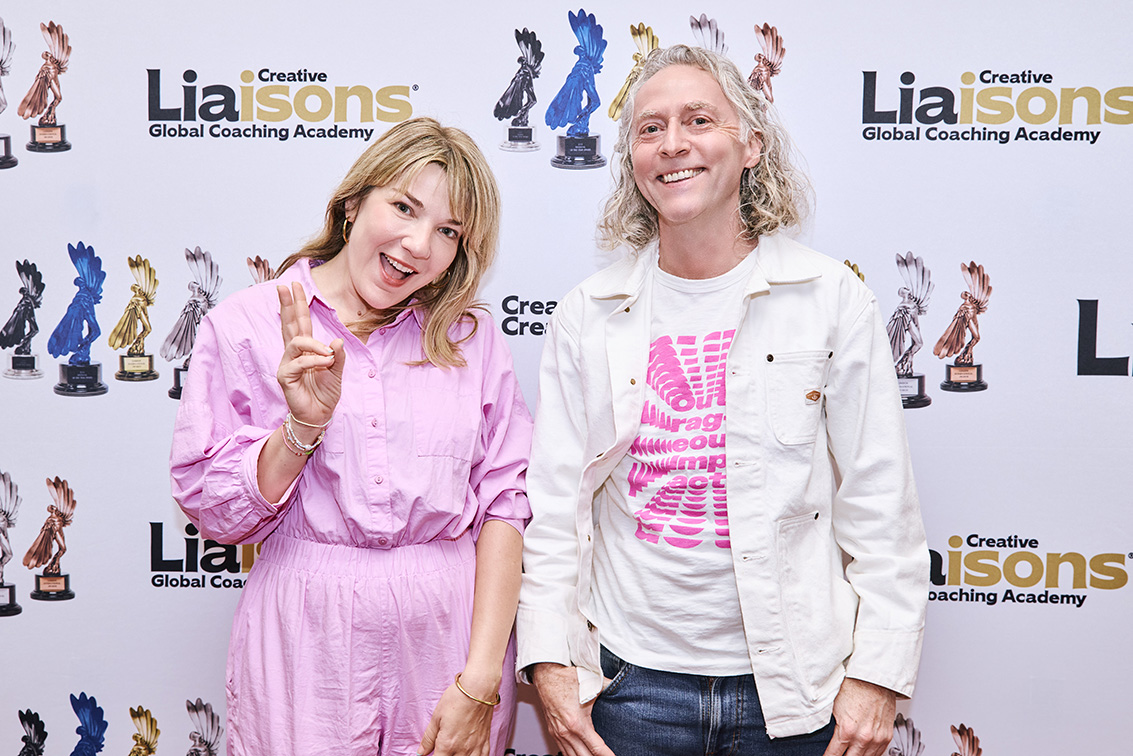
What happens to instinct when data, AI and optimization can increasingly tell us what should work? Monica Radulescu, Senior Strategy Manager at OLA – Our LEGO® Agency, and John Mescall, Global Chief Creative Partner at Dentsu Creative, explored why strategy and creativity still depend on something far less programmable: judgment. They challenged the idea that instinct and taste are fixed traits, arguing that both can be sharpened by studying great work, staying curious and deliberately making time to get better at the craft.
The conversation also tackled how brave ideas survive the journey to the client. Monica argued for understanding the brand and its culture without letting that knowledge filter out everything unexpected, while John urged creatives to sell the effect of an idea before the idea itself. As he put it, “Think of selling an idea as a case study in reverse. Start with the impact you need to create, not the idea itself. Then show the client how the idea gets them there. After all, what clients need are not just more ideas; they need better ways to make an impact.”
Alexandra Taylor on Why Creative F*ck-Ups Matter
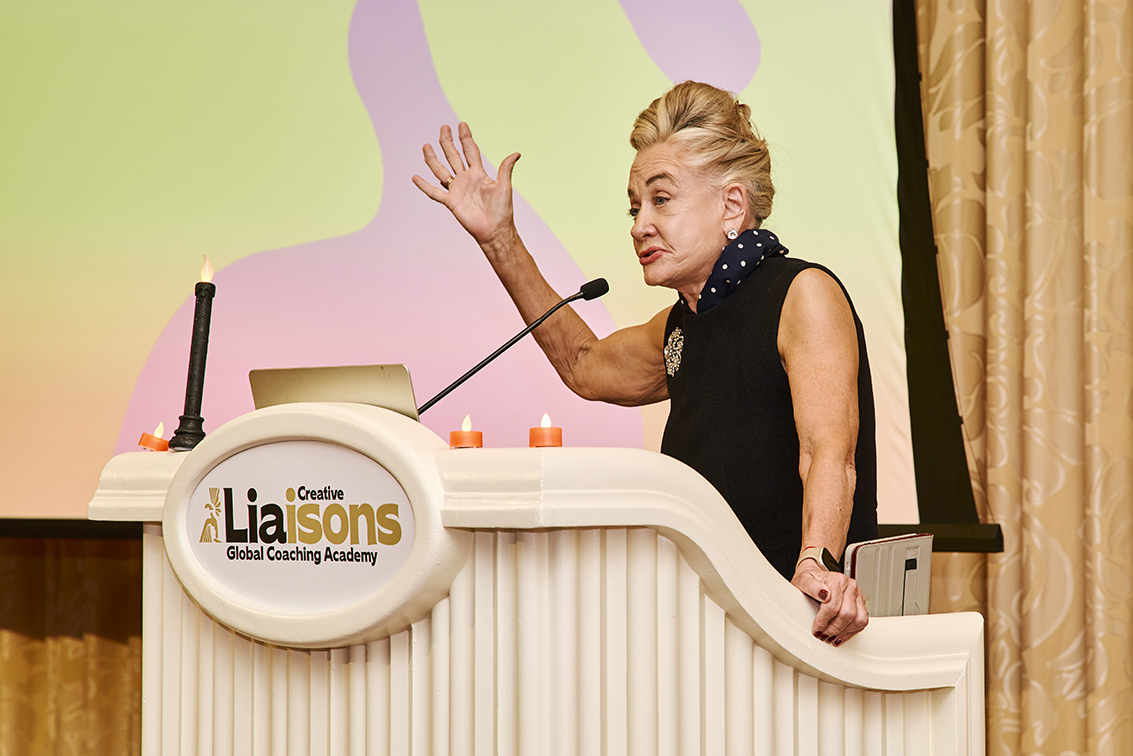
With theatrical sound effects, wicked humor and stories that grew more horrifying by the minute, Alexandra Taylor, Independent Creative Director and Founder of Art of Art Direction Masterclasses, and the first woman in the world to receive the D&AD President’s Award for her contribution to advertising, turned some of her career’s biggest creative disasters into a celebration of originality. Behind iconic work were clients losing faith, executions that seemed impossible and ideas that stubbornly refused to behave. Her point was simple: creative horror stories are often evidence that you are attempting something that hasn’t been done before.
Taylor urged the next generation to resist the pull of ordinary, imitation and compromise, sharing how one “impossible” book idea took her 18 years to finally find a printer capable of producing it. Doubt and difficulty, she argued, are not always signs to retreat. Sometimes they mean you are pushing the work somewhere better. She left the room with one suitably mischievous wish: “To the next generation of creatives about to make your mark, may you have happy creative horror stories forever.”
Alexandra Taylor’s Art Direction Apprenticeship
Alexandra Taylor turned her art direction masterclass into a working session. Drawing on her own career and legendary art directors she admires, she challenged attendees to study the people behind great work, train their eyes constantly and resist jumping straight onto the laptop. Practical exercises included a roleplay where attendees took turns as art director and client, learning to sell the thinking behind the work rather than simply reveal the finished layout.
Her advice ranged from practical to provocative: justify every choice, seek criticism, know the brand beyond the brief, embrace accidents and spend less time at your desk if you want better ideas at it. The workshop closed with a pledge: the idea comes first, the craft follows, and the presentation makes people believe. Taylor then offered every attendee a parting gift: a complimentary “Art Direction Surgery” on a live project of their own. She left the room with one final reminder: “How it was done yesterday is not how it should be done today. Nothing stays the same, and neither should you.”
VIEW THE PRINT MAGAZINE + PAST ISSUES ONLINE. SUBSCRIBE NOW.
Register for FREE HERE and receive the Campaign Brief Daily Bulletin and/or the global Best Ads Best of the Week Bulletin. Subscribe to Campaign Brief Magazine.
#More Creative News #No paywalls #No annual membership fees
Subscribe to Portfolio & Reel for current listings of Australian and NZ ad agency and production company leadership and key personnel